Candidates for Balloon Sinuplasty in Jacksonville FL
Determining which patients are suitable candidates for balloon sinuplasty in Jacksonville requires more than evaluating the severity of their sinus symptoms. As an ENT physician, I consider each patient’s medical history, the frequency and duration of sinus problems, previous treatments, and the underlying causes of persistent inflammation or impaired sinus drainage. Balloon sinuplasty can be an effective treatment for appropriately selected patients, but it is not the best option for every sinus condition.
When evaluating candidates for balloon sinuplasty in Jacksonville, I look for clinical findings that help explain why sinus symptoms persist despite appropriate medical treatment. Chronic sinusitis, recurrent sinus infections, and obstruction of natural sinus drainage pathways may warrant further investigation. However, symptoms such as congestion, facial pressure, and headaches can have several causes. Establishing an accurate diagnosis is essential before recommending any surgical procedure.
My goal is to help patients understand whether balloon sinuplasty is appropriate for their particular condition and what other treatment options may be available. I use a combination of medical history, physical examination, nasal endoscopy, and CT imaging when clinically indicated to evaluate sinus anatomy and disease. This individualized approach helps me identify suitable candidates for balloon sinuplasty in Jacksonville while avoiding unnecessary procedures for patients whose symptoms may respond better to other forms of treatment.
- What Makes Someone a Good Candidate for Balloon Sinuplasty?
- Chronic Sinusitis and Balloon Sinuplasty Candidacy
- Recurrent Sinus Infections and Balloon Sinuplasty
- Why Previous Medical Treatment Matters
- How I Evaluate a Patient’s Sinus Symptoms
- The Role of CT Imaging in Determining Candidacy
- What Nasal Endoscopy Can Reveal
- Which Sinuses Can Be Treated With Balloon Sinuplasty?
- When Nasal Polyps May Make Balloon Sinuplasty Less Appropriate
- Deviated Septum, Enlarged Turbinates, and Other Structural Problems
- Medical Conditions That Can Affect Treatment Selection
- When Balloon Sinuplasty Is Not the Best Treatment
- Meet Dr. Robert Todd Snowden
- What Our Patients Are Saying
- Contact Us!
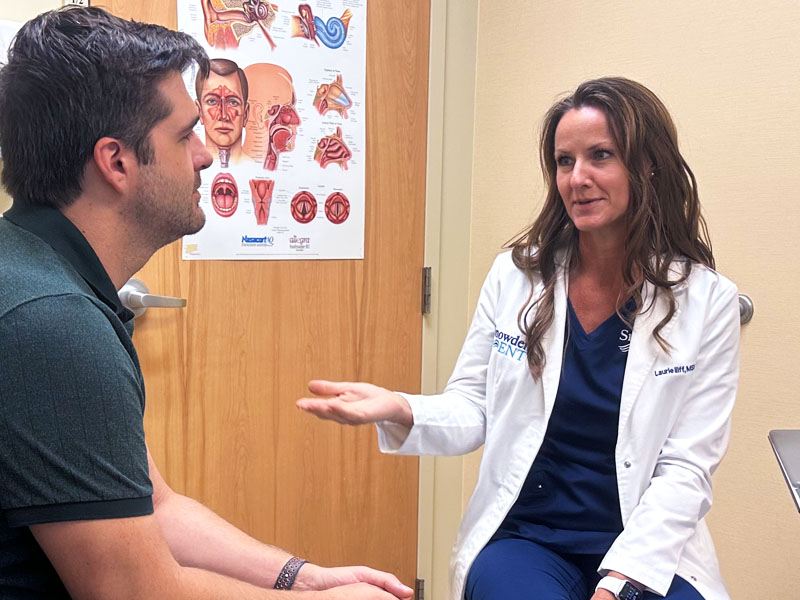
What Makes Someone a Good Candidate for Balloon Sinuplasty?
Patients who may benefit from balloon sinuplasty generally have chronic or recurrent sinus inflammation associated with impaired drainage through one or more natural sinus openings. When evaluating candidates for balloon sinuplasty in Jacksonville, I look for a combination of persistent or recurring symptoms, objective evidence of sinus disease, and a history of appropriate medical treatment that has not provided adequate relief. The location and extent of the disease are important because balloon dilation is designed to widen existing sinus drainage pathways without removing significant amounts of tissue.
An appropriate candidate must also have sinus anatomy and disease characteristics that make balloon dilation a reasonable treatment option. Some patients have extensive nasal polyps, significant structural abnormalities, or inflammatory conditions that require a different surgical approach. I evaluate these factors individually rather than assuming that every patient with recurring sinus symptoms will benefit from the procedure. My recommendations are based on whether balloon sinuplasty can address the specific drainage problem identified during the examination and diagnostic evaluation.
Chronic Sinusitis and Balloon Sinuplasty Candidacy
Chronic sinusitis, also called chronic rhinosinusitis, involves inflammation of the sinuses that persists for at least 12 weeks. Common symptoms include nasal congestion, facial pressure, reduced sense of smell, and thick nasal drainage. However, these symptoms alone do not establish a diagnosis. When evaluating candidates for balloon sinuplasty in Jacksonville, I look for objective evidence of sinus inflammation through nasal endoscopy or CT imaging, along with a history of symptoms and previous medical treatment. These findings help determine whether impaired sinus drainage may be contributing to the patient’s condition.
Not every patient with chronic sinusitis will benefit from balloon sinuplasty. The procedure is generally more appropriate when disease affects sinus drainage pathways that can be safely widened through balloon dilation. Patients with extensive nasal polyps, significant inflammatory tissue, or certain anatomical abnormalities may require other treatments. I carefully evaluate the location and severity of inflammation before determining whether balloon sinuplasty is likely to address the underlying problem.
Another important consideration is how chronic sinusitis affects a patient’s daily life. Persistent congestion, recurring facial discomfort, disrupted sleep, and difficulty breathing comfortably through the nose can significantly affect quality of life. For candidates for balloon sinuplasty in Jacksonville, I consider these symptoms alongside diagnostic findings and responses to appropriate medical therapy. My objective is to recommend treatment based on documented disease, individual anatomy, and the likelihood that improving sinus drainage will provide meaningful relief.
Recurrent Sinus Infections and Balloon Sinuplasty
Recurrent acute sinusitis involves repeated episodes of sinus inflammation or infection, with symptoms resolving between episodes. Patients who experience four or more distinct episodes within a year may meet the clinical criteria for recurrent acute rhinosinusitis, depending on their symptoms and diagnostic findings. When evaluating candidates for balloon sinuplasty in Jacksonville, I consider the frequency, duration, and severity of these episodes, along with previous treatment and whether the symptoms are consistent with a sinus condition that balloon dilation may help address.
Repeated sinus infections do not automatically mean that surgery is necessary. Allergies, viral respiratory illnesses, and other conditions can produce similar symptoms. I review each patient’s history and use appropriate diagnostic testing to determine whether recurrent episodes may be associated with impaired sinus drainage. For carefully selected patients whose infections continue despite appropriate medical management, balloon sinuplasty may be considered as part of an individualized treatment plan.
Why Previous Medical Treatment Matters
Before recommending balloon sinuplasty, I carefully review the medical treatments a patient has already received and how their symptoms responded. Depending on the diagnosis, appropriate treatment may include saline nasal irrigation, intranasal corticosteroid sprays, allergy management, or medications prescribed for specific infections. When evaluating candidates for balloon sinuplasty in Jacksonville, I consider whether these treatments were appropriate for the underlying condition, used consistently, and provided meaningful improvement. This history helps distinguish patients who may benefit from additional medical management from those who warrant further evaluation for a procedure.
The effectiveness of medical treatment can also provide valuable information about the nature of a patient’s sinus disease. For example, symptoms that improve substantially with allergy treatment may indicate that allergic inflammation contributes to the problem. Persistent symptoms despite appropriate therapy may justify additional investigation, but they do not automatically establish a need for surgery. I consider the patient’s clinical history alongside examination findings and diagnostic imaging when determining whether balloon sinuplasty is appropriate.
For candidates for balloon sinuplasty in Jacksonville, the goal is not simply to demonstrate that medications have failed. It is to establish whether a treatable sinus drainage problem remains despite reasonable medical care. Some patients benefit from adjustments to their treatment regimen, while others have documented sinus disease that may respond to balloon dilation. By reviewing previous treatments and their results, I can recommend an approach that addresses the patient’s individual condition without pursuing an unnecessary procedure.
How I Evaluate a Patient’s Sinus Symptoms
My evaluation begins with a detailed discussion of the patient’s symptoms, including when they started, how frequently they occur, and whether they persist or resolve between episodes. I ask about nasal congestion, facial pressure, drainage, reduced sense of smell, and previous sinus infections. When assessing candidates for balloon sinuplasty in Jacksonville, I also review medical history, allergies, prior sinus procedures, and responses to treatment. Understanding these patterns helps me distinguish chronic sinus inflammation from recurring infections and other conditions that can produce similar complaints.
I also consider whether symptoms may originate outside the sinuses. Migraine headaches, allergic rhinitis, structural nasal obstruction, and certain facial pain disorders can resemble sinusitis but require different treatments. A physical examination, including nasal endoscopy when appropriate, helps identify findings that support or challenge the suspected diagnosis. My objective is to determine the underlying cause of the patient’s symptoms before deciding whether additional imaging or balloon sinuplasty should be considered.
The Role of CT Imaging in Determining Candidacy
A CT scan of the sinuses can provide detailed information about sinus anatomy, inflammation, and possible obstruction of natural drainage pathways. When evaluating candidates for balloon sinuplasty in Jacksonville, I use CT findings alongside the patient’s symptoms, medical history, and examination. Imaging may show which sinuses are affected and whether their drainage openings appear narrowed or blocked. These details help me determine whether balloon dilation could address the specific disease present.
CT imaging is not a substitute for a clinical evaluation, and abnormalities on a scan do not automatically mean that surgery is necessary. I interpret the images in the context of the patient’s symptoms and other findings. If the scan does not support chronic or recurrent sinus disease, I may investigate other explanations or recommend continued medical treatment. When the findings do support a treatable drainage problem, CT imaging also helps guide treatment planning and assess whether balloon sinuplasty is an appropriate option.
What Nasal Endoscopy Can Reveal
Nasal endoscopy allows me to examine areas inside the nasal passages that are difficult to evaluate during a routine examination. Using a thin instrument equipped with a light and camera, I can assess the nasal lining, identify visible inflammation, and look for drainage, nasal polyps, or structural abnormalities. When evaluating candidates for balloon sinuplasty in Jacksonville, these findings help me determine whether symptoms may be associated with sinus disease or another condition affecting the nasal passages.
Endoscopy can also reveal thick mucus, swelling near sinus drainage pathways, or anatomical features that may influence treatment decisions. However, not every sinus opening can be directly visualized, and a normal endoscopic examination does not necessarily exclude sinus disease. I consider these findings alongside the patient’s history and CT imaging when indicated. This combined approach helps me determine whether balloon sinuplasty is likely to address the underlying problem or whether another treatment would be more appropriate.
Which Sinuses Can Be Treated With Balloon Sinuplasty?
Balloon sinuplasty is primarily used to widen the natural drainage openings of the maxillary, frontal, and sphenoid sinuses. These sinuses are located in the cheeks, forehead, and deeper portions of the skull, respectively. When evaluating candidates for balloon sinuplasty in Jacksonville, I consider which sinuses are affected, the location of any drainage obstruction, and whether their anatomy allows safe access with a balloon catheter. The procedure is designed to improve drainage and ventilation while preserving surrounding tissue.
The ethmoid sinuses differ because they consist of multiple small air cells rather than a single drainage opening that can be widened in the same manner. Significant ethmoid sinus disease may require traditional endoscopic sinus surgery or another treatment approach. I review CT imaging and examination findings to determine whether balloon dilation alone can adequately address the patient’s condition. Some patients may benefit from a combination of procedures, while others are better served by medical management or a different surgical technique.
When Nasal Polyps May Make Balloon Sinuplasty Less Appropriate
Nasal polyps are noncancerous inflammatory growths that develop within the nasal passages or sinuses. When numerous or extensive, they can obstruct airflow, interfere with sinus drainage, and contribute to persistent inflammation. Because balloon sinuplasty widens natural sinus openings without removing polyps or diseased tissue, it may not adequately address significant nasal polyp disease. When evaluating candidates for balloon sinuplasty in Jacksonville, I consider the size, location, and extent of any polyps, along with their relationship to the patient’s symptoms and sinus drainage pathways.
Patients with chronic rhinosinusitis accompanied by nasal polyps may benefit from treatments directed at the underlying inflammation, including appropriate medications, biologic therapies in selected cases, or endoscopic sinus surgery. Balloon dilation may occasionally have a role as part of a broader treatment plan, but it is generally not a substitute for removing obstructive tissue when removal is necessary. I use nasal endoscopy, CT imaging, and the patient’s treatment history to determine which approach is most appropriate.
The presence of nasal polyps does not automatically rule out every possible use of balloon sinuplasty. However, it requires careful evaluation to avoid recommending a procedure that may leave the primary cause of obstruction untreated. My goal is to identify whether improving a sinus opening would meaningfully address the patient’s condition or whether treatment directed at inflammatory tissue would offer a more appropriate solution.
Deviated Septum, Enlarged Turbinates, and Other Structural Problems
Structural abnormalities within the nasal passages can contribute to congestion and breathing difficulties without necessarily involving the sinus drainage pathways. A deviated septum may narrow one side of the nose, while enlarged turbinates can restrict airflow through the nasal passages. When evaluating candidates for balloon sinuplasty in Jacksonville, I distinguish these conditions from chronic sinus inflammation because balloon dilation does not straighten a deviated septum or directly reduce enlarged turbinates. Identifying the actual source of obstruction is essential to recommending appropriate treatment.
Some patients have both structural nasal problems and chronic sinus disease. In these situations, I evaluate whether the conditions are related and whether addressing one or both would provide meaningful improvement. Septoplasty, turbinate reduction, or other procedures may be appropriate when structural abnormalities significantly affect nasal breathing. Balloon sinuplasty may still be considered if objective findings also demonstrate sinus disease that could benefit from improved drainage.
Anatomical variations can also influence whether balloon dilation is technically appropriate. Narrow nasal passages, unusual sinus anatomy, or previous surgical changes may affect access to the natural sinus openings. I review examination findings and CT imaging when indicated to determine which treatment approach best addresses the patient’s condition. My objective is to recommend procedures based on documented anatomical and inflammatory findings rather than assuming that all nasal obstruction originates within the sinuses.
Medical Conditions That Can Affect Treatment Selection
Certain medical conditions can influence whether balloon sinuplasty is an appropriate treatment for persistent sinus symptoms. Allergic rhinitis, asthma, and chronic inflammatory disorders may contribute to ongoing sinus inflammation even when the natural drainage pathways are open. When evaluating candidates for balloon sinuplasty in Jacksonville, I review these conditions to determine whether symptoms are primarily related to an anatomical drainage problem, underlying inflammation, or a combination of factors. Understanding these relationships helps me develop a treatment plan that addresses the patient’s specific needs.
Patients with asthma or significant allergies may require continued medical management regardless of whether balloon sinuplasty is performed. Conditions such as aspirin-exacerbated respiratory disease, immune deficiencies, or disorders affecting normal mucus clearance can also complicate sinus treatment. I consider whether additional testing, medication adjustments, or coordination with another specialist would be beneficial before recommending a procedure.
A patient’s overall health and medical history are equally important. Bleeding disorders, medications that affect clotting, previous sinus surgery, and certain cardiovascular or respiratory conditions may influence procedural planning and the choice of anesthesia. These factors do not necessarily prevent treatment, but they require individualized assessment. My goal is to identify candidates for balloon sinuplasty in Jacksonville whose clinical findings support the procedure while ensuring that relevant medical conditions are appropriately considered before making a recommendation.
When Balloon Sinuplasty Is Not the Best Treatment
Balloon sinuplasty is not appropriate for every patient with persistent sinus symptoms. The procedure widens natural sinus drainage openings but does not remove extensive inflammatory tissue, nasal polyps, fungal material, or other abnormalities that may require surgical removal. When evaluating candidates for balloon sinuplasty in Jacksonville, I carefully consider whether balloon dilation can address the underlying disease. Patients with extensive ethmoid sinus involvement, significant nasal polyposis, or certain complex sinus conditions may benefit more from traditional endoscopic sinus surgery or another treatment approach.
Some patients experience facial pressure, headaches, or nasal congestion without objective evidence of sinus disease. These symptoms may result from migraines, allergies, structural nasal obstruction, or other conditions that balloon sinuplasty is not designed to treat. I avoid recommending sinus surgery when examination findings and appropriate diagnostic testing do not support a condition likely to benefit from the procedure.
There are also situations in which additional medical treatment or further investigation is more appropriate than immediate intervention. Patients with active infections requiring treatment, poorly controlled inflammatory conditions, or unusual imaging findings may need a different approach before surgery is considered. My responsibility is to identify candidates for balloon sinuplasty in Jacksonville based on documented clinical findings, not simply the persistence of symptoms. When balloon dilation is unlikely to provide meaningful benefit, I explain the alternatives and recommend treatment directed at the actual cause of the patient’s condition.
Learn More About Balloon Sinuplasty in Jacksonville At Snowden ENT
It is important to remember that different people recover in different ways and over different periods of time. Throughout my years treating patients, I have found that understanding these differences can help patients make more informed decisions about their care.
These pages provide more detailed information about potential candidates for balloon sinuplasty, recovery after and long-term results. If you are exploring treatment options, these pages are can help you better understand balloon sinuplasty and the factors I consider when developing an individualized treatment plan for my patients.
Learn More About Balloon Sinuplasty in Jacksonville at Snowden ENT
It is important to remember that different people recover in different ways and over different periods of time. Throughout my years treating patients, I have found that understanding these differences can help patients make more informed decisions about their care.
These pages provide more detailed information about potential candidates for balloon sinuplasty, recovery after and long-term results. If you are exploring treatment options, these pages are can help you better understand balloon sinuplasty and the factors I consider when developing an individualized treatment plan for my patients.
Meet Dr. Robert Todd Snowden
Choosing an ENT specialist is an important decision, particularly when surgery may be part of your treatment plan. Robert Todd Snowden, MD, FACS is a board-certified otolaryngologist who has been diagnosing and treating complex disorders of the ears, nose, and throat since 2001. With more than 20 years of experience caring for patients throughout Northeast Florida, Dr. Snowden is known for combining careful diagnostic evaluation with evidence-based treatment recommendations that are tailored to each patient’s individual needs. His commitment is to help every patient achieve the best possible outcome through compassionate, ethical, and patient-centered care.
As a Fellow of the American College of Surgeons (FACS) and the American Academy of Otolaryngology–Head and Neck Surgery, Dr. Snowden maintains the highest professional standards within his specialty. He is also an active member of the Florida Medical Association and the Duval County Medical Society and has previously held memberships in the American Rhinologic Society and the American Association of Otolaryngic Allergy. Throughout his career, he has remained committed to advancing his knowledge and providing patients with care that reflects current evidence and accepted best practices.
In addition to his clinical experience, Dr. Snowden has served in numerous leadership roles within the Jacksonville medical community. During more than 25 years on the Baptist Health medical staff, he served as Chief of Surgery and Chief of Staff at Baptist Medical Center South and was a member of the Baptist Physician Partners Board of Directors. Whether treating chronic nasal obstruction, performing advanced sinus and nasal surgery, or managing complex throat and voice disorders, Dr. Snowden has earned the trust of patients and referring physicians alike through his experience, sound clinical judgment, and dedication to delivering exceptional ENT care.

Meet Dr. Robert Todd Snowden
Choosing an ENT specialist is an important decision, particularly when surgery may be part of your treatment plan. Robert Todd Snowden, MD, FACS is a board-certified otolaryngologist who has been diagnosing and treating complex disorders of the ears, nose, and throat since 2001. With more than 20 years of experience caring for patients throughout Northeast Florida, Dr. Snowden is known for combining careful diagnostic evaluation with evidence-based treatment recommendations that are tailored to each patient’s individual needs. His commitment is to help every patient achieve the best possible outcome through compassionate, ethical, and patient-centered care.
As a Fellow of the American College of Surgeons (FACS) and the American Academy of Otolaryngology–Head and Neck Surgery, Dr. Snowden maintains the highest professional standards within his specialty. He is also an active member of the Florida Medical Association and the Duval County Medical Society and has previously held memberships in the American Rhinologic Society and the American Association of Otolaryngic Allergy. Throughout his career, he has remained committed to advancing his knowledge and providing patients with care that reflects current evidence and accepted best practices.
In addition to his clinical experience, Dr. Snowden has served in numerous leadership roles within the Jacksonville medical community. During more than 25 years on the Baptist Health medical staff, he served as Chief of Surgery and Chief of Staff at Baptist Medical Center South and was a member of the Baptist Physician Partners Board of Directors. Whether treating chronic nasal obstruction, performing advanced sinus and nasal surgery, or managing complex throat and voice disorders, Dr. Snowden has earned the trust of patients and referring physicians alike through his experience, sound clinical judgment, and dedication to delivering exceptional ENT care.
What Our Patients Are Saying


Contact Us!
(904) 268-5366
Or, if it is more convenient, use our contact form and we’ll get back to you as soon as possible.
Contact Us!
(904) 268-5366
Or, if it is more convenient, use our contact form and we’ll get back to you as soon as possible.

Snowden ENT is proud to be a select ENT Provider of the Baptist Physician Partners network. The mission of Baptist Physician Partners is to shape the future of health care in our community through an integrated partnership of providers and Baptist Health hospitals working collaboratively toward common goals for improving quality, safety, efficiency and outcomes for our patients.

12574 Flagler Center Boulevard
Suite 201
Jacksonville, FL 32258
(904) 268-5366
Monday – Thursday 8:30 AM to 4:30 PM
Friday 8:30 AM to 3:45 PM
Snowden ENT is proud to be a select ENT Provider of the Baptist Physician Partners network. The mission of Baptist Physician Partners is to shape the future of health care in our community through an integrated partnership of providers and Baptist Health hospitals working collaboratively toward common goals for improving quality, safety, efficiency and outcomes for our patients.
12574 Flagler Center Blvd
Suite 201
Jacksonville, FL 32258
(904) 268-5366
Monday – Thursday 8:30 AM to 4:30 PM
Friday 8:30 AM to 3:45 PM
Copyright | Snowden ENT | All Rights Reserved | Created and Optimized by BoomClient