Vocal Cord Treatment in Jacksonville
Specialized Diagnosis and Treatment of Vocal Cord Nodules and Polyps
Persistent hoarseness, changes in voice quality, vocal fatigue and difficulty speaking can be symptoms of abnormal growths on the vocal cords. Although vocal cord nodules and polyps are benign, these growths can interfere with normal vocal cord vibration, affecting your ability to communicate comfortably and effectively. As a board-certified otolaryngologist with more than 20 years of clinical experience, I provide specialized vocal cord treatment in Jacksonville, focusing on accurate diagnosis, individualized treatment and the restoration of healthy vocal function. My approach emphasizes addressing the underlying causes of voice disturbances while preserving healthy vocal cord tissue.
Vocal cord nodules and polyps can develop from excessive voice use, repetitive vocal strain, chronic irritation and other contributing medical conditions. While some growths respond well to conservative treatment, others may require precise microsurgical removal to improve vocal cord function. An accurate diagnosis is particularly important because persistent voice changes can also be associated with more serious laryngeal conditions that require timely medical attention.
At Snowden ENT, I take a comprehensive approach to vocal cord treatment in Jacksonville, considering each patient’s medical history, vocal demands, lifestyle and long-term voice restoration goals. Whether you are experiencing unexplained hoarseness, struggling with recurring voice problems or seeking treatment for a previously diagnosed vocal cord nodule or polyp, my goal is to help you achieve the best possible vocal outcome through medically appropriate, evidence-based care.
- Understanding Vocal Cord Anatomy and Function
- What Are Vocal Cord Nodules?
- What Are Vocal Cord Polyps?
- Common Symptoms of Vocal Cord Nodules and Polyps
- Causes and Contributing Risk Factors
- When Persistent Hoarseness Requires Medical Attention
- Diagnosing Vocal Cord Nodules and Polyps
- Differentiating Benign Vocal Cord Growths from Potentially Cancerous Lesions
- Nonsurgical Treatment Options for Vocal Cord Nodules and Polyps
- Surgical Treatment Options for Vocal Cord Nodules and Polyps
- Long-Term Voice Restoration and Prevention of Recurrence
- Additional Information About Vocal Cord Conditions and Treatment
- Meet Dr. Robert Todd Snowden
- What Our Patients Are Saying
- Contact Us!

Understanding Vocal Cord Anatomy and Function
The vocal cords, also known as vocal folds, are two flexible bands of tissue located within the larynx, commonly referred to as the voice box. These structures perform several essential functions, including voice production, airway protection and breathing regulation. During speech, the vocal cords come together and vibrate as air passes through them from the lungs, producing sound. The frequency and pattern of these vibrations help determine vocal pitch, tone and quality. Healthy vocal cords have a smooth, flexible surface that allows them to vibrate efficiently. Even relatively small abnormalities, such as nodules or polyps, can disrupt these vibrations and significantly affect voice quality.
The delicate outer layers of the vocal cords are particularly susceptible to injury from repetitive vocal strain, excessive voice use and chronic irritation. When abnormal tissue develops, it can prevent the vocal cords from closing completely or vibrating symmetrically, resulting in hoarseness, breathiness, reduced vocal range and increased effort when speaking. When providing vocal cord treatment in Jacksonville, I carefully evaluate the structure, movement and vibratory function of the vocal cords to determine how these abnormalities affect voice production. Understanding the location and characteristics of a vocal cord growth is essential to selecting an appropriate treatment approach that improves vocal function while minimizing damage to surrounding healthy tissue.
What Are Vocal Cord Nodules?
Vocal cord nodules are benign, callus-like growths that typically develop on both vocal cords as a result of repetitive vocal strain or excessive voice use. These growths usually form along the middle portion of the vocal cords, where the greatest contact occurs during vibration. Repeated friction and pressure can cause localized inflammation and tissue thickening, eventually leading to the formation of firm nodules. Teachers, singers, public speakers and individuals whose occupations require prolonged speaking are particularly susceptible to developing this condition. However, vocal cord nodules can affect anyone who regularly places excessive demands on their voice.
As a specialist providing vocal cord treatment in Jacksonville, I frequently evaluate patients experiencing persistent hoarseness, vocal fatigue, reduced vocal range and difficulty maintaining a consistent speaking voice. Vocal cord nodules can interfere with complete vocal cord closure, allowing air to escape during speech and producing a breathy or raspy voice. Patients may also notice that their symptoms worsen throughout the day or following extended periods of speaking. Without appropriate treatment and modification of contributing vocal behaviors, nodules may become more established and increasingly difficult to resolve through conservative measures.
Unlike certain other vocal cord growths, nodules often respond favorably to nonsurgical treatment, particularly when diagnosed early. Treatment may include professional voice therapy, improved vocal hygiene, appropriate voice rest and management of contributing conditions such as silent throat reflux. Surgical intervention is generally reserved for persistent nodules that significantly impair vocal function despite appropriate conservative care. My treatment recommendations are based on the severity of the nodules, their effect on vocal cord function and the individual patient’s communication needs.
What Are Vocal Cord Polyps?
Vocal cord polyps are benign growths that typically develop on one vocal cord, although they can occasionally affect both. Unlike vocal cord nodules, which generally develop gradually from repetitive vocal strain, polyps may form following a single episode of intense vocal exertion or prolonged vocal cord irritation. These growths can vary considerably in size, shape and composition, appearing as soft, fluid-filled, fibrous or blood-filled lesions. Some polyps have a broad base, while others are attached to the vocal cord by a narrow stalk. Their presence can interfere with normal vocal cord closure and vibration, resulting in persistent hoarseness, irregular voice quality, breathiness and difficulty controlling vocal pitch.
When patients seek vocal cord treatment in Jacksonville for suspected polyps, I perform a detailed examination to evaluate the growth’s size, location, physical characteristics and effect on vocal function. Although some smaller polyps may improve with conservative treatment and modification of contributing behaviors, persistent or larger polyps may require microsurgical removal. Surgical treatment focuses on removing abnormal tissue while preserving the delicate vocal cord structures responsible for sound production. When appropriate, postoperative voice therapy and management of underlying irritants can support healing, improve vocal performance and reduce the likelihood of recurrence. Early evaluation allows me to determine the most appropriate treatment strategy based on each patient’s condition and vocal requirements.
Common Symptoms of Vocal Cord Nodules and Polyps
Vocal cord nodules and polyps can produce a variety of symptoms depending on the size, location and physical characteristics of the growths. Persistent hoarseness is among the most common symptoms, often accompanied by a raspy, breathy or strained speaking voice. Patients may experience difficulty projecting their voice, maintaining a consistent vocal pitch or speaking for extended periods without discomfort or fatigue. Singers may notice a diminished vocal range, difficulty reaching higher notes or reduced control over vocal transitions. These symptoms can develop gradually or appear suddenly, particularly when a polyp forms following an episode of intense vocal exertion.
Many patients seeking vocal cord treatment in Jacksonville report that their voice becomes progressively weaker throughout the day or following prolonged conversations. Other symptoms may include intermittent voice loss, increased effort when speaking, frequent throat clearing and a sensation of irritation or tightness in the throat. Some patients compensate for changes in vocal cord function by increasing muscular tension around the larynx, which can contribute to additional vocal strain and discomfort. Although these symptoms may temporarily improve with voice rest, they often return when normal speaking activities resume.
Because similar symptoms can occur with other laryngeal disorders, I encourage patients to seek professional evaluation when unexplained voice changes persist for four weeks or longer. Earlier evaluation is particularly important for individuals with a history of tobacco use, difficulty swallowing, breathing problems or a noticeable neck mass. Through specialized vocal cord treatment in Jacksonville, I work to identify the underlying cause of these symptoms and determine whether conservative management or surgical intervention is medically appropriate. Identifying the source of vocal dysfunction early can help prevent unnecessary strain and support more effective voice rehabilitation.
Causes and Contributing Risk Factors
Vocal cord nodules and polyps commonly develop in response to mechanical stress placed on the delicate tissues of the vocal cords. Excessive speaking, shouting, singing with improper technique and repeatedly speaking over background noise can subject the vocal cords to abnormal levels of friction and impact. Over time, repetitive trauma may cause localized inflammation and tissue thickening that contributes to nodule formation. Polyps may develop from similar patterns of vocal strain or following a sudden episode of intense vocal exertion that damages small blood vessels within the vocal cord tissue. Inadequate hydration and insufficient vocal recovery between periods of heavy voice use may further increase susceptibility to injury.
Chronic irritation can also contribute to the development or persistence of benign vocal cord growths. Tobacco smoke, airborne irritants, allergies, chronic coughing and habitual throat clearing can place additional stress on sensitive laryngeal tissues. Laryngopharyngeal reflux, commonly known as silent throat reflux, may contribute to inflammation and irritation that aggravate existing vocal cord abnormalities. When providing vocal cord treatment in Jacksonville, I evaluate these potential contributing factors alongside each patient’s vocal habits, occupational demands and medical history. Addressing the underlying sources of vocal cord irritation and injury is an important component of treatment, helping create favorable conditions for tissue healing and reducing the potential for recurrent growths.
When Persistent Hoarseness Requires Medical Attention
Temporary hoarseness following a respiratory infection, an extended speaking engagement or an episode of excessive voice use often improves as vocal cord inflammation subsides. However, hoarseness that persists for four weeks without improvement warrants professional evaluation to identify the underlying cause. Recurring episodes of voice loss, progressive changes in vocal quality and increasing difficulty speaking should also receive medical attention. I encourage individuals who rely on their voices professionally to seek evaluation sooner when vocal changes interfere with their ability to perform daily responsibilities. Continuing to place excessive demands on injured vocal cords may aggravate existing nodules or polyps and complicate recovery.
Certain symptoms and medical risk factors warrant more immediate evaluation, including difficulty swallowing, coughing up blood, unexplained weight loss, a noticeable neck mass or a history of tobacco use. Sudden voice loss following strenuous vocal activity may indicate a vocal cord hemorrhage, which requires prompt assessment. Significant breathing difficulty requires emergency medical attention. Through comprehensive vocal cord treatment in Jacksonville, I evaluate persistent voice disturbances to distinguish benign vocal cord growths from other conditions, including vocal cord paralysis and potentially cancerous lesions. Timely examination of the larynx can help identify abnormalities before they progress, reduce the risk of delayed diagnosis and establish an appropriate course of medical or surgical treatment.
Diagnosing Vocal Cord Nodules and Polyps
Accurately diagnosing vocal cord nodules and polyps begins with a comprehensive evaluation of the patient’s medical history, voice symptoms and potential contributing factors. During the initial consultation, I assess the onset, duration and progression of vocal changes, along with occupational voice demands, previous laryngeal conditions and lifestyle factors that may affect vocal cord health. Understanding whether symptoms developed gradually or appeared suddenly following intense vocal exertion can provide valuable diagnostic information. However, because nodules, polyps and other laryngeal abnormalities can produce similar symptoms, direct visualization of the vocal cords is essential to establishing an accurate diagnosis.
An important component of vocal cord treatment in Jacksonville is laryngoscopy, a diagnostic procedure that allows detailed examination of the larynx and vocal cords. Using a specialized endoscope, the physician can evaluate vocal cord movement, tissue abnormalities, inflammation and the physical characteristics of any visible growths. When clinically indicated, videostroboscopy may provide additional diagnostic information by allowing detailed assessment of vocal cord vibration, mucosal wave patterns and closure during voice production. These findings can help differentiate nodules and polyps from cysts, scarring and other structural abnormalities that interfere with normal vocal function.
When a vocal cord lesion has unusual characteristics or raises concern for malignancy, further diagnostic evaluation, including a tissue biopsy, may be necessary. I base my recommendations for vocal cord treatment in Jacksonville on the combined findings of the clinical examination, diagnostic procedures and the patient’s functional voice limitations. Establishing the precise nature of a vocal cord abnormality helps avoid unnecessary surgical intervention, identify conditions requiring more immediate attention and determine which treatment options offer the greatest potential for meaningful vocal improvement.
Differentiating Benign Vocal Cord Growths from Potentially Cancerous Lesions
Although vocal cord nodules and polyps are benign growths, certain precancerous and cancerous lesions can produce similar symptoms, making professional evaluation essential. Persistent hoarseness, changes in vocal pitch and difficulty speaking are not exclusive to benign vocal cord conditions. During examination, I assess the appearance, location, surface characteristics and surrounding tissue of any identified growth. Irregular tissue borders, ulceration, abnormal blood vessel patterns, white or red patches and impaired vocal cord mobility may raise concerns that warrant further investigation. However, visual examination alone cannot always definitively distinguish benign abnormalities from potentially malignant lesions.
A critical aspect of vocal cord treatment in Jacksonville is recognizing when additional diagnostic procedures are medically necessary. Patients with a history of tobacco use, excessive alcohol consumption or previous head and neck cancer may require particularly careful evaluation. When suspicious tissue is identified, a biopsy may be recommended to obtain a definitive diagnosis through microscopic examination by a pathologist. While most patients diagnosed with vocal cord nodules or polyps do not require cancer-related treatment, ruling out more serious conditions is an important clinical responsibility. Early identification of potentially malignant vocal cord lesions can facilitate timely intervention, improve treatment opportunities and help preserve essential laryngeal functions.
Nonsurgical Treatment Options for Vocal Cord Nodules and Polyps
Nonsurgical treatment is often the preferred initial approach for vocal cord nodules and may also be appropriate for certain vocal cord polyps. Professional voice therapy, administered by a speech-language pathologist specializing in voice disorders, can help patients develop healthier vocal techniques, reduce excessive muscular tension and minimize mechanical stress on the vocal cords. Therapy may incorporate breathing exercises, vocal resonance techniques and modifications to speaking habits that contribute to tissue injury. When recommending conservative vocal cord treatment in Jacksonville, I consider the characteristics of the growth, the severity of vocal dysfunction and the patient’s ability to modify contributing behaviors.
Improving vocal hygiene is another important component of conservative management. Maintaining adequate hydration, limiting excessive voice use, avoiding tobacco smoke and reducing habitual throat clearing can help minimize ongoing vocal cord irritation. Appropriate periods of vocal rest may also support tissue recovery, although prolonged complete voice rest is not routinely necessary for every patient. When underlying medical conditions such as allergies, chronic coughing or silent throat reflux contribute to laryngeal irritation, targeted management may help establish more favorable conditions for healing and reduce additional stress on the vocal cords.
The effectiveness of nonsurgical vocal cord treatment in Jacksonville depends on several factors, including the type of growth, its duration and the patient’s adherence to recommended therapeutic measures. Vocal cord nodules frequently decrease in size or resolve with appropriate voice therapy, while some smaller polyps may improve without surgical intervention. I recommend periodic follow-up examinations when clinically appropriate to monitor changes in the growth and assess improvements in vocal function. If conservative treatment fails to provide satisfactory results, surgical intervention may be considered based on the patient’s ongoing symptoms, examination findings and individual voice restoration goals.
Surgical Treatment Options for Vocal Cord Nodules and Polyps
Surgical intervention may be recommended when vocal cord growths cause significant voice impairment, fail to respond adequately to conservative treatment or possess characteristics that require further diagnostic evaluation. Vocal cord polyps are more likely than nodules to require surgical removal, particularly when they interfere substantially with normal vocal cord vibration and closure. Before recommending surgical vocal cord treatment in Jacksonville, I carefully consider the size, location and composition of the growth, previous treatment efforts and the patient’s functional voice requirements. The decision to proceed with surgery is based on individual clinical findings rather than the presence of a vocal cord growth alone.
Microlaryngeal surgery allows for the precise removal of abnormal tissue using specialized surgical instruments and magnification. This procedure is typically performed under general anesthesia through the mouth, eliminating the need for external incisions. During surgery, particular attention is given to preserving the delicate layers of healthy vocal cord tissue responsible for normal vibration and sound production. Depending on the characteristics of the growth, specialized microsurgical techniques may be used to minimize disruption of surrounding tissue and reduce the potential for postoperative scarring. Preserving vocal cord flexibility is particularly important for achieving favorable functional outcomes.
Successful surgical vocal cord treatment in Jacksonville also involves appropriate postoperative care and rehabilitation. I provide individualized recommendations regarding voice rest, gradual resumption of speaking activities and follow-up examinations to monitor tissue healing. Professional voice therapy may be recommended to help patients develop healthier vocal techniques and address behaviors that contributed to the original growth. Although surgical removal can produce substantial improvements in voice quality, individual outcomes depend on several factors, including the extent of tissue involvement, healing response and underlying medical conditions. Combining precise surgical techniques with appropriate rehabilitation supports long-term vocal function and helps reduce the risk of recurrence.
Long-Term Voice Restoration and Prevention of Recurrence
Restoring healthy vocal function following treatment of vocal cord nodules or polyps involves more than resolving the growth itself. Long-term voice improvement requires addressing the vocal behaviors, environmental exposures and underlying medical conditions that may have contributed to its development. Whether a patient undergoes conservative or surgical vocal cord treatment in Jacksonville, developing sustainable vocal habits is essential to protecting the delicate tissues of the vocal cords. Proper breathing techniques, controlled voice projection, adequate hydration and scheduled periods of vocal recovery can help reduce unnecessary mechanical stress. Patients who depend on their voices professionally may benefit from ongoing guidance from a speech-language pathologist specializing in voice rehabilitation.
Monitoring vocal cord health following treatment allows me to assess tissue healing, evaluate improvements in voice quality and identify early signs of recurring abnormalities. I encourage patients to remain attentive to changes in vocal endurance, pitch control and speaking comfort rather than attempting to compensate for these changes through increased vocal effort. Managing contributing conditions such as chronic coughing, allergies and clinically established silent throat reflux may also help reduce persistent laryngeal irritation. Although recurrence cannot always be prevented, my long-term approach to vocal cord treatment in Jacksonville emphasizes proactive management, patient education and individualized preventive strategies that support lasting vocal function and quality of life.
Additional Information About Vocal Cord Conditions and Treatment
Understanding the causes of voice disturbances and the available treatment options can help patients make more informed decisions about their care. To complement the information provided on this page, I have prepared additional resources that cover the topics that patients are most interested in. These pages provide more detailed information about persistent voice changes, conservative treatment options, surgical procedures, recovery expectations and long-term voice restoration. My goal is to help patients considering vocal cord treatment in Jacksonville better understand their condition, recognize when specialized medical care is necessary and become familiar with the treatment options that may be appropriate for their individual needs.
Coming Soon:
Persistent Hoarseness Treatment
Vocal Cord Nodules Treatment
Vocal Cord Polyp Removal
Meet Dr. Robert Todd Snowden
Choosing an ENT specialist is an important decision, particularly when surgery may be part of your treatment plan. Robert Todd Snowden, MD, FACS is a board-certified otolaryngologist who has been diagnosing and treating complex disorders of the ears, nose, and throat since 2001. With more than 20 years of experience caring for patients throughout Northeast Florida, Dr. Snowden is known for combining careful diagnostic evaluation with evidence-based treatment recommendations that are tailored to each patient’s individual needs. His commitment is to help every patient achieve the best possible outcome through compassionate, ethical, and patient-centered care.
As a Fellow of the American College of Surgeons (FACS) and the American Academy of Otolaryngology–Head and Neck Surgery, Dr. Snowden maintains the highest professional standards within his specialty. He is also an active member of the Florida Medical Association and the Duval County Medical Society and has previously held memberships in the American Rhinologic Society and the American Association of Otolaryngic Allergy. Throughout his career, he has remained committed to advancing his knowledge and providing patients with care that reflects current evidence and accepted best practices.
In addition to his clinical experience, Dr. Snowden has served in numerous leadership roles within the Jacksonville medical community. During more than 25 years on the Baptist Health medical staff, he served as Chief of Surgery and Chief of Staff at Baptist Medical Center South and was a member of the Baptist Physician Partners Board of Directors. Whether treating chronic nasal obstruction, performing advanced sinus and nasal surgery, or managing complex throat and voice disorders, Dr. Snowden has earned the trust of patients and referring physicians alike through his experience, sound clinical judgment, and dedication to delivering exceptional ENT care.
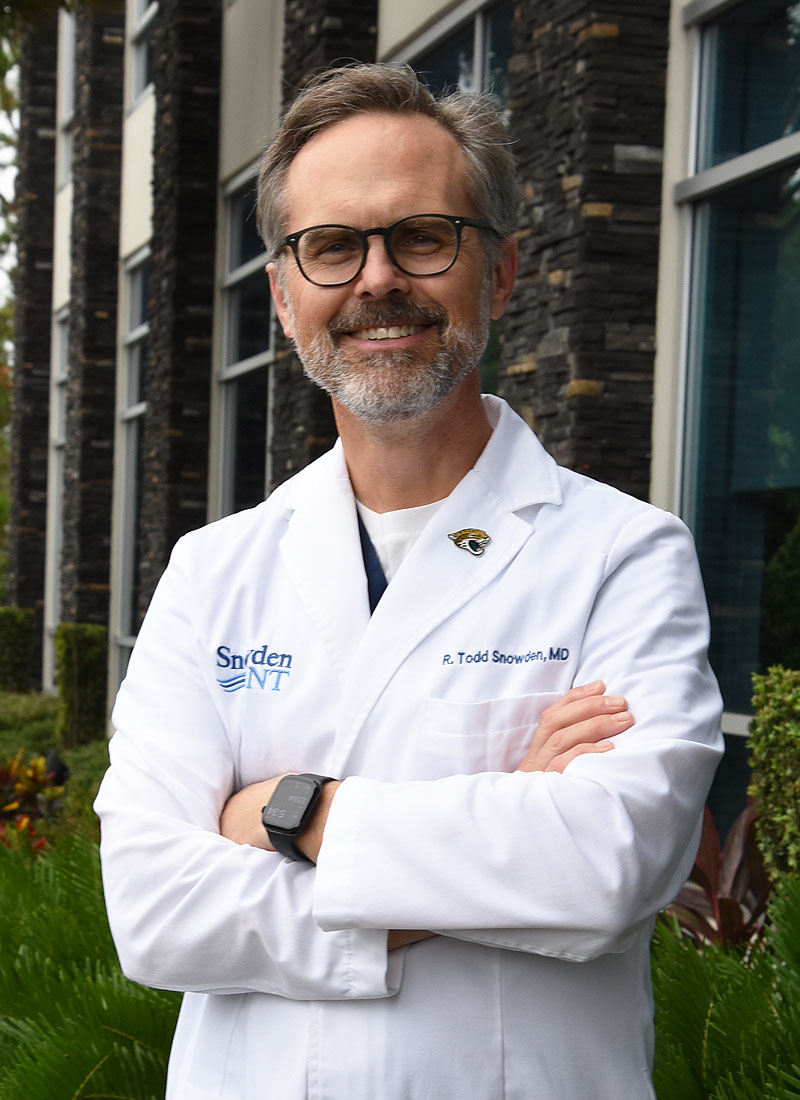
Meet Dr. Robert Todd Snowden
Choosing an ENT specialist is an important decision, particularly when surgery may be part of your treatment plan. Robert Todd Snowden, MD, FACS is a board-certified otolaryngologist who has been diagnosing and treating complex disorders of the ears, nose, and throat since 2001. With more than 20 years of experience caring for patients throughout Northeast Florida, Dr. Snowden is known for combining careful diagnostic evaluation with evidence-based treatment recommendations that are tailored to each patient’s individual needs. His commitment is to help every patient achieve the best possible outcome through compassionate, ethical, and patient-centered care.
As a Fellow of the American College of Surgeons (FACS) and the American Academy of Otolaryngology–Head and Neck Surgery, Dr. Snowden maintains the highest professional standards within his specialty. He is also an active member of the Florida Medical Association and the Duval County Medical Society and has previously held memberships in the American Rhinologic Society and the American Association of Otolaryngic Allergy. Throughout his career, he has remained committed to advancing his knowledge and providing patients with care that reflects current evidence and accepted best practices.
In addition to his clinical experience, Dr. Snowden has served in numerous leadership roles within the Jacksonville medical community. During more than 25 years on the Baptist Health medical staff, he served as Chief of Surgery and Chief of Staff at Baptist Medical Center South and was a member of the Baptist Physician Partners Board of Directors. Whether treating chronic nasal obstruction, performing advanced sinus and nasal surgery, or managing complex throat and voice disorders, Dr. Snowden has earned the trust of patients and referring physicians alike through his experience, sound clinical judgment, and dedication to delivering exceptional ENT care.
What Our Patients Are Saying


Contact Us!
(904) 268-5366
Or, if it is more convenient, use our contact form and we’ll get back to you as soon as possible.
Contact Us!
(904) 268-5366
Or, if it is more convenient, use our contact form and we’ll get back to you as soon as possible.

Snowden ENT is proud to be a select ENT Provider of the Baptist Physician Partners network. The mission of Baptist Physician Partners is to shape the future of health care in our community through an integrated partnership of providers and Baptist Health hospitals working collaboratively toward common goals for improving quality, safety, efficiency and outcomes for our patients.

12574 Flagler Center Boulevard
Suite 201
Jacksonville, FL 32258
(904) 268-5366
Monday – Thursday 8:30 AM to 4:30 PM
Friday 8:30 AM to 3:45 PM
Snowden ENT is proud to be a select ENT Provider of the Baptist Physician Partners network. The mission of Baptist Physician Partners is to shape the future of health care in our community through an integrated partnership of providers and Baptist Health hospitals working collaboratively toward common goals for improving quality, safety, efficiency and outcomes for our patients.
12574 Flagler Center Blvd
Suite 201
Jacksonville, FL 32258
(904) 268-5366
Monday – Thursday 8:30 AM to 4:30 PM
Friday 8:30 AM to 3:45 PM
Copyright | Snowden ENT | All Rights Reserved | Created and Optimized by BoomClient