Wildfire Smoke Is Bothering My Sinuses. What Should I Do?
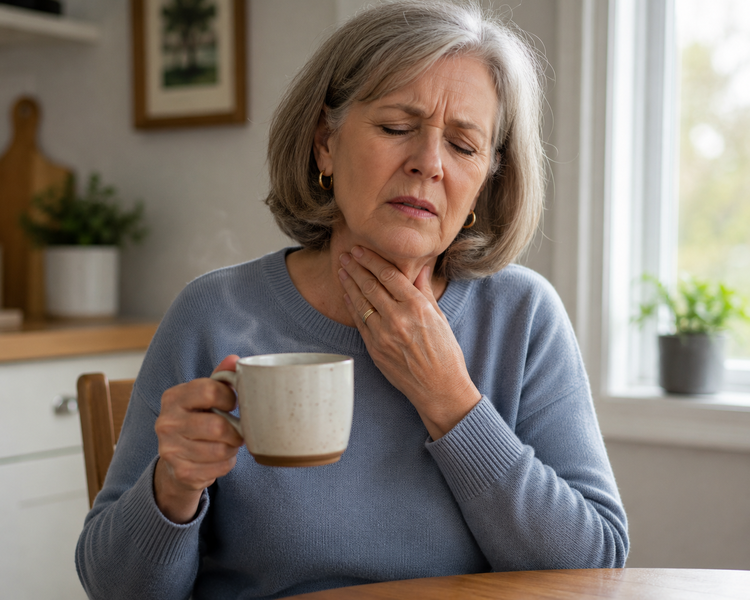
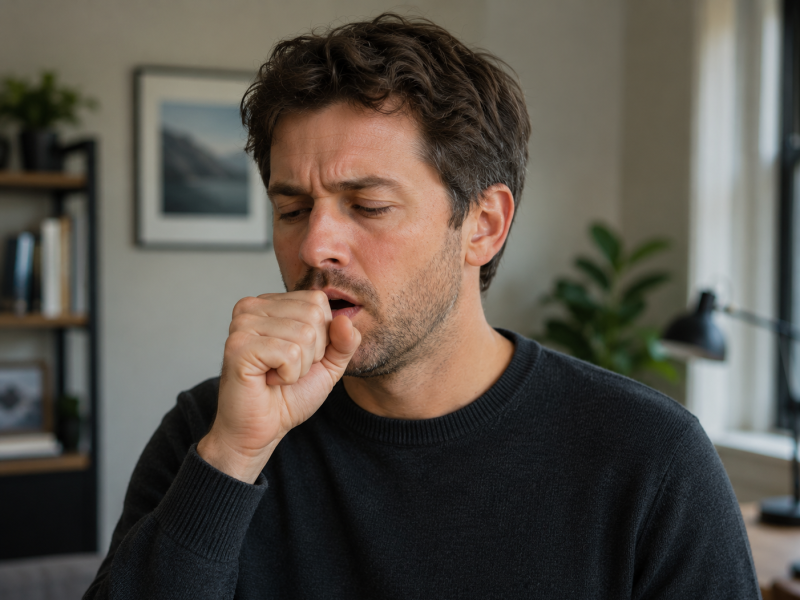
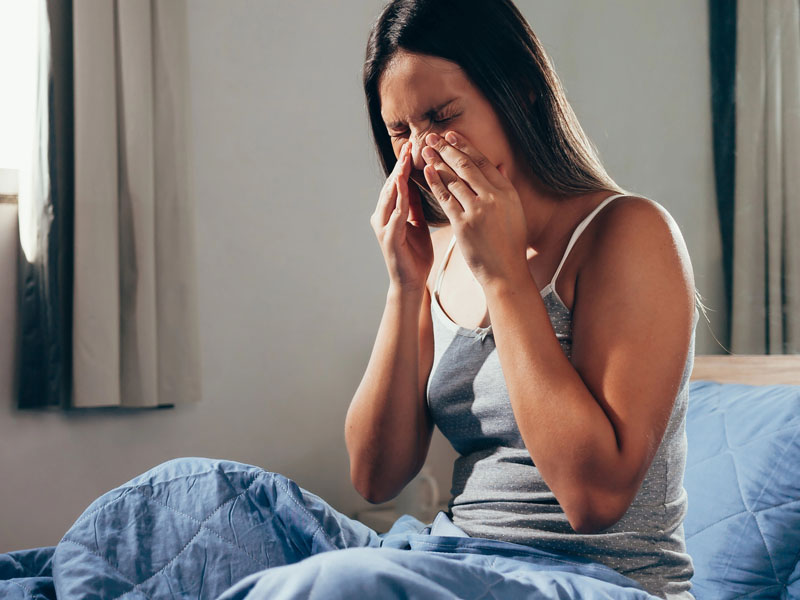
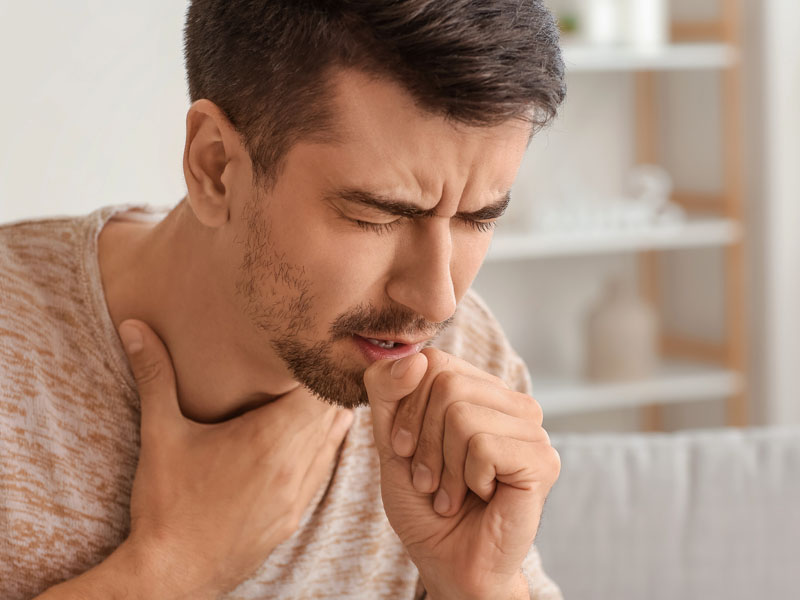
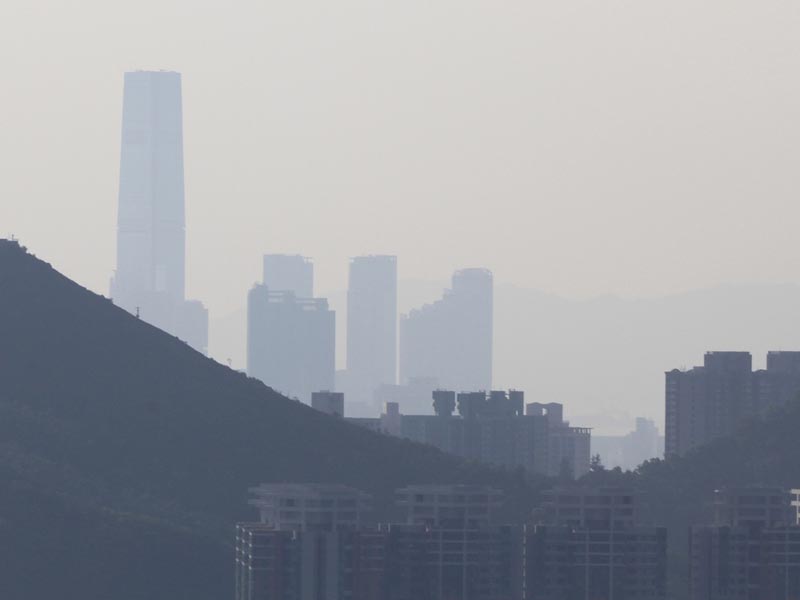
Wildfires are currently affecting parts of North Florida and South Georgia, and many of our patients and their families are dealing with the smoke right now. Even if you are not near an active fire, smoke can travel long distances and affect air quality. It contains tiny particles (PM2.5)—extremely small particles in the air, about 30 times smaller than the width of a human hair—that can get deep into the lungs. These particles irritate the nose, throat, and airways, leading to symptoms like cough, congestion, sore throat, and shortness of breath. People with asthma, COPD, or allergies tend to feel this more, but even healthy people notice it when smoke levels are high.
The good news is that there are a few simple things that make a real difference in providing protection from wildfire smoke: stay indoors with filtered air, limit outdoor exposure, and use a respirator if you need to be outside for a while.
Stay Indoors and Filter Your Air
The single most effective step in protection from wildfire smoke, short of moving to Montana, is to stay indoors with your air filtered. Keep windows and doors closed. If you have central air, set it to recirculate so it is not pulling in smoky outdoor air. Use a portable HEPA air purifier in the rooms where you spend the most time, especially your bedroom. These can significantly reduce indoor smoke particles and often improve symptoms.
(We use Blueair purifiers in our office, but there are plenty of good options out there.)
Place the purifier where you sleep. You spend a third of your day there, so that’s where it helps the most.
Limit Outdoor Activity
When air quality is poor, this is not the time for a long run or yard work. The more active you are, the faster and deeper you breathe, and the more smoke you pull into your lungs.
Check air quality before heading outside using AirNow.gov or the AirNow app. The Air Quality Index (AQI) is color-coded: green and yellow are generally fine, orange means sensitive groups should be cautious, and red or higher means everyone should scale things back.
Wear a Mask When You Must Go Outside
If you need to be outdoors, use a well-fitted N95 mask. These are designed to filter fine particles like wildfire smoke. Cloth and surgical masks do not offer much protection from wildfire smoke.
Fit matters. If air is leaking around the edges, it is not doing its job. Even with a good mask, try to keep outdoor time limited.
Also worth knowing: N95s filter particles, not gases. So they help, but they are not a free pass to stay outside all day.
Protect Your Nose and Sinuses
This is where we see a lot of issues. Smoke tends to flare up congestion, drainage, and sinus pressure.
Saline rinses are one of the simplest and most effective things you can do. They physically wash irritants out of the nose. If you are prone to sinus problems, this is a good time to be consistent with it.
Nasal steroid sprays, like fluticasone, can also help reduce inflammation, especially if you start them early during smoke exposure. If this is a recurring issue for you, take a look at our pages on postnasal drip and sinus inflammation for a deeper dive.
Watch for Delayed Symptoms
Most symptoms show up within a few days, but not always. Some people develop cough, congestion, or sinus symptoms a week or two later.
Smoke irritates the lining of the airways and makes you a little more vulnerable to infections. If things are lingering or getting worse after the smoke clears, it is worth getting checked.
Who Is Most at Risk?
Children under five, adults over 65, pregnant individuals, and people with lung or heart disease are more vulnerable and should seek protection from wildfire smoke. Outdoor workers, and yes, golfers are also more exposed.
If you fall into one of these groups, it is worth being a bit more cautious, especially if poor air quality sticks around for several days.
When to Seek Medical Attention
Reach out to your doctor if you have persistent cough, worsening congestion or drainage, sinus pressure, or symptoms that do not improve after the air clears.
If you have asthma or COPD, keep your rescue inhaler nearby and follow your usual plan. If you are having significant trouble breathing, do not wait, get urgent care.
Learn more:
• AirNow (U.S. Air Quality Index):
• CDC – Wildfire Smoke and Your Health:
Contact Us | Request Appointment
(904) 268-5366
Use this form to contact us about Scheduling an appointment or if you need our assistance and we’ll get back to you as soon as possible.
Medical Disclaimer
This content is for general educational purposes only and is not medical advice. It is not intended to diagnose or treat any condition or replace care from your physician. Reading this site does not establish a doctor–patient relationship. If you have symptoms or concerns, you should be evaluated by a qualified healthcare professional. Do not ignore or delay medical care based on information you read here. If you believe you may have a medical emergency, seek immediate care or call 911.