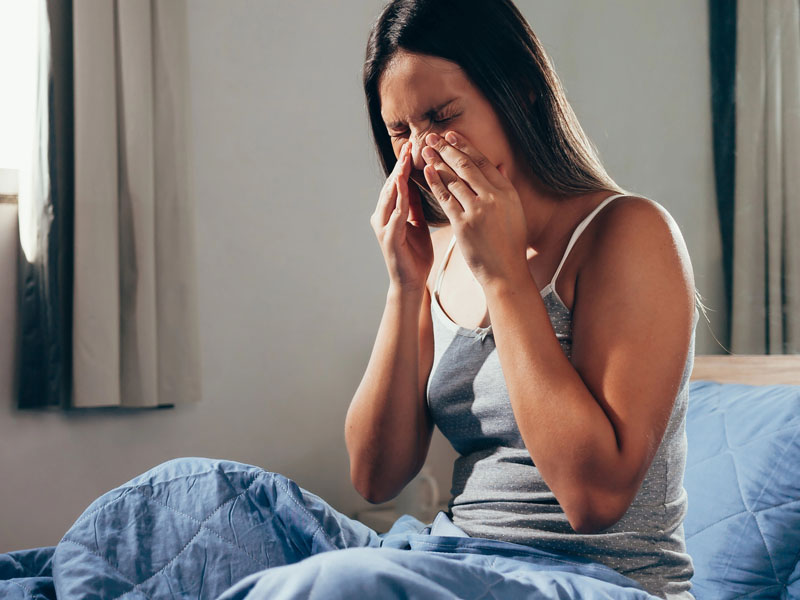
Nasal Polyps Biologic Treatment in Jacksonville
For many patients with nasal polyps, treatment begins with medications intended to reduce inflammation and control symptoms. Surgery can also be very effective when polyps cause significant obstruction or chronic sinus disease that does not respond adequately to medical treatment. However, advances in our understanding of the inflammation responsible for nasal polyps have given us another option for certain patients: biologic medications. When I evaluate a patient for Nasal Polyps Biologic Treatment in Jacksonville, my first priority is determining whether this type of targeted therapy is appropriate for that patient’s particular disease.
Biologics differ from traditional medications because they target specific parts of the immune response involved in chronic inflammation. For appropriately selected patients with chronic rhinosinusitis with nasal polyps, biologic therapy may help reduce polyp size, improve nasal symptoms and sense of smell, and decrease the need for systemic corticosteroids or additional surgery. These medications are not necessary or appropriate for everyone with nasal polyps, and different biologics act on different inflammatory pathways.
I approach Nasal Polyps Biologic Treatment in Jacksonville as one potential component of an individualized, long-term treatment strategy. I consider the severity of the disease, treatments that have already been tried, previous sinus surgery, recurrence of polyps, associated conditions such as asthma, and how significantly symptoms are affecting the patient’s quality of life. My goal is to explain the available options clearly so that together we can determine whether continued conventional treatment, surgery, biologic therapy, or a combination of approaches offers the most appropriate path forward.
- What Are Biologic Medications for Nasal Polyps?
- Why Chronic Inflammation Causes Nasal Polyps
- Who May Be a Candidate for Biologic Treatment?
- When Traditional Nasal Polyp Treatments Aren’t Enough
- Which Biologics Are Used to Treat Nasal Polyps?
- How Biologic Treatment Works
- Biologic Treatment vs. Nasal Polyp Surgery
- Can Biologics Help Patients Avoid Surgery?
- Using Biologics After Nasal Polyp Surgery
- Nasal Polyps, Asthma and Biologic Treatment
- Can Biologic Treatment Improve Your Sense of Smell?
- Side Effects, Risks and Limitations of Biologic Treatment
- Is Nasal Polyps Biologic Treatment in Jacksonville Right for You?
- Meet Dr. Robert Todd Snowden
- What Our Patients Are Saying
- Contact Us!
Nasal Polyps Biologic Treatment in Jacksonville
For many patients with nasal polyps, treatment begins with medications intended to reduce inflammation and control symptoms. Surgery can also be very effective when polyps cause significant obstruction or chronic sinus disease that does not respond adequately to medical treatment. However, advances in our understanding of the inflammation responsible for nasal polyps have given us another option for certain patients: biologic medications. When I evaluate a patient for Nasal Polyps Biologic Treatment in Jacksonville, my first priority is determining whether this type of targeted therapy is appropriate for that patient’s particular disease.
Biologics differ from traditional medications because they target specific parts of the immune response involved in chronic inflammation. For appropriately selected patients with chronic rhinosinusitis with nasal polyps, biologic therapy may help reduce polyp size, improve nasal symptoms and sense of smell, and decrease the need for systemic corticosteroids or additional surgery. These medications are not necessary or appropriate for everyone with nasal polyps, and different biologics act on different inflammatory pathways.
I approach Nasal Polyps Biologic Treatment in Jacksonville as one potential component of an individualized, long-term treatment strategy. I consider the severity of the disease, treatments that have already been tried, previous sinus surgery, recurrence of polyps, associated conditions such as asthma, and how significantly symptoms are affecting the patient’s quality of life. My goal is to explain the available options clearly so that together we can determine whether continued conventional treatment, surgery, biologic therapy, or a combination of approaches offers the most appropriate path forward.
- What Are Biologic Medications for Nasal Polyps?
- Why Chronic Inflammation Causes Nasal Polyps
- Who May Be a Candidate for Biologic Treatment?
- When Traditional Nasal Polyp Treatments Aren’t Enough
- Which Biologics Are Used to Treat Nasal Polyps?
- How Biologic Treatment Works
- Biologic Treatment vs. Nasal Polyp Surgery
- Can Biologics Help Patients Avoid Surgery?
- Using Biologics After Nasal Polyp Surgery
- Nasal Polyps, Asthma and Biologic Treatment
- Can Biologic Treatment Improve Your Sense of Smell?
- Side Effects, Risks and Limitations of Biologic Treatment
- Is Nasal Polyps Biologic Treatment in Jacksonville Right for You?
- Meet Dr. Robert Todd Snowden
- What Our Patients Are Saying
- Contact Us!

What Are Biologic Medications for Nasal Polyps?
Biologics are medications designed to target specific molecules or pathways within the immune system that contribute to inflammation. This makes them different from corticosteroids, which have broader anti-inflammatory effects. Many patients with chronic rhinosinusitis with nasal polyps have a pattern of inflammation known as type 2 inflammation. Certain biologic medications can interrupt specific signals involved in this inflammatory response, helping reduce the inflammation that contributes to the development and persistence of nasal polyps.
When I consider Nasal Polyps Biologic Treatment in Jacksonville, I am not simply treating the physical growths that are visible inside the nose. The objective is to target an underlying inflammatory process that may be driving the disease. In appropriately selected patients, biologic therapy can reduce nasal polyp burden and improve symptoms such as nasal obstruction and loss of smell. Some patients may also experience better overall control of their chronic sinus disease.
Biologics are generally administered by injection on a recurring schedule, with the specific medication and dosing schedule depending on the therapy prescribed. Because these medications affect particular immune pathways and are intended for patients who meet specific clinical criteria, I carefully evaluate whether the potential benefits justify biologic treatment for each individual. Nasal Polyps Biologic Treatment in Jacksonville is therefore not a one-size-fits-all approach, but an option I may consider as part of a broader treatment plan for patients with inadequately controlled disease.
What Are Biologic Medications for Nasal Polyps?
Biologics are medications designed to target specific molecules or pathways within the immune system that contribute to inflammation. This makes them different from corticosteroids, which have broader anti-inflammatory effects. Many patients with chronic rhinosinusitis with nasal polyps have a pattern of inflammation known as type 2 inflammation. Certain biologic medications can interrupt specific signals involved in this inflammatory response, helping reduce the inflammation that contributes to the development and persistence of nasal polyps.
When I consider Nasal Polyps Biologic Treatment in Jacksonville, I am not simply treating the physical growths that are visible inside the nose. The objective is to target an underlying inflammatory process that may be driving the disease. In appropriately selected patients, biologic therapy can reduce nasal polyp burden and improve symptoms such as nasal obstruction and loss of smell. Some patients may also experience better overall control of their chronic sinus disease.
Biologics are generally administered by injection on a recurring schedule, with the specific medication and dosing schedule depending on the therapy prescribed. Because these medications affect particular immune pathways and are intended for patients who meet specific clinical criteria, I carefully evaluate whether the potential benefits justify biologic treatment for each individual. Nasal Polyps Biologic Treatment in Jacksonville is therefore not a one-size-fits-all approach, but an option I may consider as part of a broader treatment plan for patients with inadequately controlled disease.
Why Chronic Inflammation Causes Nasal Polyps
Nasal polyps are closely associated with ongoing inflammation in the lining of the nose and sinuses. In many patients with chronic rhinosinusitis with nasal polyps, the immune system produces an inflammatory response that remains active over time. This persistent inflammation can cause the nasal and sinus lining to become swollen and eventually contribute to the development of the soft, noncancerous growths we recognize as nasal polyps.
Many patients with nasal polyps have type 2 inflammation, which involves immune cells and signaling proteins that can perpetuate the inflammatory process. Conditions such as asthma and aspirin-exacerbated respiratory disease can also occur alongside chronic rhinosinusitis with nasal polyps. Understanding this relationship is important when I evaluate a patient because it helps me look beyond simply removing or shrinking the polyps.
This underlying inflammatory process is one reason Nasal Polyps Biologic Treatment in Jacksonville can be appropriate for certain patients with persistent or recurrent disease. Instead of focusing only on the physical polyp, biologic medications can target particular inflammatory pathways involved in the disease. Identifying the nature and severity of a patient’s condition helps me determine whether this more targeted approach should be considered as part of the overall treatment strategy.
Why Chronic Inflammation Causes Nasal Polyps
Nasal polyps are closely associated with ongoing inflammation in the lining of the nose and sinuses. In many patients with chronic rhinosinusitis with nasal polyps, the immune system produces an inflammatory response that remains active over time. This persistent inflammation can cause the nasal and sinus lining to become swollen and eventually contribute to the development of the soft, noncancerous growths we recognize as nasal polyps.
Many patients with nasal polyps have type 2 inflammation, which involves immune cells and signaling proteins that can perpetuate the inflammatory process. Conditions such as asthma and aspirin-exacerbated respiratory disease can also occur alongside chronic rhinosinusitis with nasal polyps. Understanding this relationship is important when I evaluate a patient because it helps me look beyond simply removing or shrinking the polyps.
This underlying inflammatory process is one reason Nasal Polyps Biologic Treatment in Jacksonville can be appropriate for certain patients with persistent or recurrent disease. Instead of focusing only on the physical polyp, biologic medications can target particular inflammatory pathways involved in the disease. Identifying the nature and severity of a patient’s condition helps me determine whether this more targeted approach should be considered as part of the overall treatment strategy.
Who May Be a Candidate for Biologic Treatment?
Biologic medications are not generally the first treatment I consider simply because a patient has nasal polyps. When evaluating someone for Nasal Polyps Biologic Treatment in Jacksonville, I look at the severity of the disease, persistent symptoms despite appropriate medical treatment, polyp burden, impaired sense of smell, previous sinus surgery, recurrence, and the need for systemic corticosteroids. I also consider associated inflammatory conditions such as asthma and aspirin-exacerbated respiratory disease, as well as how significantly nasal and sinus symptoms are affecting the patient’s daily life.
There is no single symptom or test that automatically makes someone a candidate for a biologic. Previous treatments, their effectiveness and tolerability, the extent of sinus disease, associated medical conditions, and the expected benefits and limitations of therapy all contribute to my recommendation. I consider Nasal Polyps Biologic Treatment in Jacksonville when the patient’s complete clinical picture suggests that targeted biologic therapy may provide meaningful benefit as part of an individualized long-term treatment strategy.
Who May Be a Candidate for Biologic Treatment?
Biologic medications are not generally the first treatment I consider simply because a patient has nasal polyps. When evaluating someone for Nasal Polyps Biologic Treatment in Jacksonville, I look at the severity of the disease, persistent symptoms despite appropriate medical treatment, polyp burden, impaired sense of smell, previous sinus surgery, recurrence, and the need for systemic corticosteroids. I also consider associated inflammatory conditions such as asthma and aspirin-exacerbated respiratory disease, as well as how significantly nasal and sinus symptoms are affecting the patient’s daily life.
There is no single symptom or test that automatically makes someone a candidate for a biologic. Previous treatments, their effectiveness and tolerability, the extent of sinus disease, associated medical conditions, and the expected benefits and limitations of therapy all contribute to my recommendation. I consider Nasal Polyps Biologic Treatment in Jacksonville when the patient’s complete clinical picture suggests that targeted biologic therapy may provide meaningful benefit as part of an individualized long-term treatment strategy.
When Traditional Nasal Polyp Treatments Aren’t Enough
For many patients, nasal polyps can initially be managed with conventional medical treatment. Depending on the individual situation, I may recommend saline irrigation, corticosteroid nasal sprays, or other topical therapies to reduce inflammation and control symptoms. In selected cases, a short course of an oral corticosteroid may also be appropriate. When significant nasal obstruction, loss of smell, sinus symptoms, or recurring polyps persist despite appropriate treatment, I consider the extent of the disease, previous response to medications, prior surgery, and how significantly the condition is affecting the patient’s quality of life.
For some patients, surgery may be the appropriate next step. For others with persistent or recurrent inflammatory disease, Nasal Polyps Biologic Treatment in Jacksonville may deserve consideration. Biologics offer another approach by targeting specific inflammatory pathways involved in chronic rhinosinusitis with nasal polyps. My goal is to determine which treatment, or combination of treatments, is most appropriate for the individual rather than assuming every patient should follow the same treatment path.
When Traditional Nasal Polyp Treatments Aren’t Enough
For many patients, nasal polyps can initially be managed with conventional medical treatment. Depending on the individual situation, I may recommend saline irrigation, corticosteroid nasal sprays, or other topical therapies to reduce inflammation and control symptoms. In selected cases, a short course of an oral corticosteroid may also be appropriate. When significant nasal obstruction, loss of smell, sinus symptoms, or recurring polyps persist despite appropriate treatment, I consider the extent of the disease, previous response to medications, prior surgery, and how significantly the condition is affecting the patient’s quality of life.
For some patients, surgery may be the appropriate next step. For others with persistent or recurrent inflammatory disease, Nasal Polyps Biologic Treatment in Jacksonville may deserve consideration. Biologics offer another approach by targeting specific inflammatory pathways involved in chronic rhinosinusitis with nasal polyps. My goal is to determine which treatment, or combination of treatments, is most appropriate for the individual rather than assuming every patient should follow the same treatment path.
Which Biologics Are Used to Treat Nasal Polyps?
Several biologic medications are used for appropriately selected patients with chronic rhinosinusitis with nasal polyps. These medications do not all work in the same way. Some target signaling pathways involved in type 2 inflammation, while others target IgE or eosinophil-related inflammation. Because the underlying inflammatory pattern and medical history can differ from one patient to another, choosing a biologic involves more than simply deciding that a patient has nasal polyps.
When considering Nasal Polyps Biologic Treatment in Jacksonville, I evaluate which FDA-approved therapy is appropriate for the individual patient’s disease and circumstances. Biologics used for chronic rhinosinusitis with nasal polyps include medications such as dupilumab, omalizumab, and mepolizumab. The appropriate choice can be influenced by factors including disease severity, associated asthma or other inflammatory conditions, previous treatment, and characteristics relevant to the individual medication. FDA labeling also differs among biologics in areas such as approved ages, dosing, and patient-selection considerations.
I also explain that biologic therapy is an ongoing treatment rather than a procedure that physically removes the polyps. The objective is to control the inflammatory process contributing to their development and persistence. For the right patient, Nasal Polyps Biologic Treatment in Jacksonville can become an important part of a broader strategy that may also include topical treatment, management of related conditions, and surgery when appropriate.
Which Biologics Are Used to Treat Nasal Polyps?
Several biologic medications are used for appropriately selected patients with chronic rhinosinusitis with nasal polyps. These medications do not all work in the same way. Some target signaling pathways involved in type 2 inflammation, while others target IgE or eosinophil-related inflammation. Because the underlying inflammatory pattern and medical history can differ from one patient to another, choosing a biologic involves more than simply deciding that a patient has nasal polyps.
When considering Nasal Polyps Biologic Treatment in Jacksonville, I evaluate which FDA-approved therapy is appropriate for the individual patient’s disease and circumstances. Biologics used for chronic rhinosinusitis with nasal polyps include medications such as dupilumab, omalizumab, and mepolizumab. The appropriate choice can be influenced by factors including disease severity, associated asthma or other inflammatory conditions, previous treatment, and characteristics relevant to the individual medication. FDA labeling also differs among biologics in areas such as approved ages, dosing, and patient-selection considerations.
I also explain that biologic therapy is an ongoing treatment rather than a procedure that physically removes the polyps. The objective is to control the inflammatory process contributing to their development and persistence. For the right patient, Nasal Polyps Biologic Treatment in Jacksonville can become an important part of a broader strategy that may also include topical treatment, management of related conditions, and surgery when appropriate.
How Biologic Treatment Works
Biologic medications work by targeting specific parts of the immune response that contribute to the chronic inflammation associated with nasal polyps. Rather than physically removing polyps, these medications are intended to reduce inflammatory activity over time. Depending on the biologic prescribed, treatment may target pathways involving interleukins, IgE, eosinophils, or other components of type 2 inflammation. By interrupting these signals, biologic therapy can help reduce polyp burden and improve symptoms in appropriately selected patients.
With Nasal Polyps Biologic Treatment in Jacksonville, treatment is generally administered by injection on a schedule determined by the particular medication. Some biologics may be self-administered at home after appropriate instruction, while the requirements can vary by therapy and patient. Because biologic treatment is typically ongoing, I monitor the patient’s response rather than assuming that starting treatment means it should automatically continue indefinitely.
Over time, I look for meaningful changes in nasal obstruction, sense of smell, polyp burden, sinus symptoms, quality of life, and the need for other treatments. The response can vary from patient to patient, and improvement may not occur at the same rate for everyone. My goal is to determine whether Nasal Polyps Biologic Treatment in Jacksonville is providing sufficient clinical benefit to justify continuing it as part of the patient’s long-term treatment plan.
How Biologic Treatment Works
Biologic medications work by targeting specific parts of the immune response that contribute to the chronic inflammation associated with nasal polyps. Rather than physically removing polyps, these medications are intended to reduce inflammatory activity over time. Depending on the biologic prescribed, treatment may target pathways involving interleukins, IgE, eosinophils, or other components of type 2 inflammation. By interrupting these signals, biologic therapy can help reduce polyp burden and improve symptoms in appropriately selected patients.
With Nasal Polyps Biologic Treatment in Jacksonville, treatment is generally administered by injection on a schedule determined by the particular medication. Some biologics may be self-administered at home after appropriate instruction, while the requirements can vary by therapy and patient. Because biologic treatment is typically ongoing, I monitor the patient’s response rather than assuming that starting treatment means it should automatically continue indefinitely.
Over time, I look for meaningful changes in nasal obstruction, sense of smell, polyp burden, sinus symptoms, quality of life, and the need for other treatments. The response can vary from patient to patient, and improvement may not occur at the same rate for everyone. My goal is to determine whether Nasal Polyps Biologic Treatment in Jacksonville is providing sufficient clinical benefit to justify continuing it as part of the patient’s long-term treatment plan.
Biologic Treatment vs. Nasal Polyp Surgery
Patients often ask me whether biologic treatment is better than surgery for nasal polyps, but the two approaches work very differently. Endoscopic surgery physically removes obstructing polyps and, when necessary, opens affected sinus pathways. Biologic medications target specific inflammatory pathways that contribute to the development and persistence of nasal polyps. For some patients, surgery may provide the most appropriate way to address significant obstruction and sinus disease, while others may benefit from Nasal Polyps Biologic Treatment in Jacksonville as part of their medical management.
The decision is not always an either-or choice. I consider the extent of the polyps and sinus disease, severity of symptoms, previous medical treatment, prior surgery, recurrence, associated asthma or other inflammatory conditions, and the patient’s overall health and treatment goals. In some situations, surgery and biologic therapy may both have a role at different points in the patient’s care. My objective is to recommend the approach that best addresses the individual’s disease while considering the potential benefits, risks, limitations, and need for long-term management.
Biologic Treatment vs. Nasal Polyp Surgery
Patients often ask me whether biologic treatment is better than surgery for nasal polyps, but the two approaches work very differently. Endoscopic surgery physically removes obstructing polyps and, when necessary, opens affected sinus pathways. Biologic medications target specific inflammatory pathways that contribute to the development and persistence of nasal polyps. For some patients, surgery may provide the most appropriate way to address significant obstruction and sinus disease, while others may benefit from Nasal Polyps Biologic Treatment in Jacksonville as part of their medical management.
The decision is not always an either-or choice. I consider the extent of the polyps and sinus disease, severity of symptoms, previous medical treatment, prior surgery, recurrence, associated asthma or other inflammatory conditions, and the patient’s overall health and treatment goals. In some situations, surgery and biologic therapy may both have a role at different points in the patient’s care. My objective is to recommend the approach that best addresses the individual’s disease while considering the potential benefits, risks, limitations, and need for long-term management.
Can Biologics Help Patients Avoid Surgery?
One reason patients ask me about Nasal Polyps Biologic Treatment in Jacksonville is the possibility of controlling their disease without surgery. For appropriately selected patients, biologic therapy can reduce nasal polyp burden and improve symptoms enough that surgery may not be necessary at that time. Biologics may also reduce the need for systemic corticosteroids or additional surgical treatment in some patients with difficult-to-control disease. However, I do not recommend biologic therapy simply as a way to avoid an operation.
Whether surgery can be avoided depends on the individual patient’s condition. Extensive polyps, significant sinus obstruction, persistent infection or other disease that needs to be addressed surgically may make endoscopic surgery the more appropriate option. Conversely, a patient with severe inflammatory disease, recurrent polyps, or certain associated conditions may have reasons to consider biologic treatment.
When discussing Nasal Polyps Biologic Treatment in Jacksonville, I explain that our objective is not to choose the least invasive treatment at any cost, but to choose the treatment most appropriate for the disease we are trying to control. In some cases that may be biologic therapy, in others surgery, and for certain patients both approaches may play a role over the course of long-term care.
Can Biologics Help Patients Avoid Surgery?
One reason patients ask me about Nasal Polyps Biologic Treatment in Jacksonville is the possibility of controlling their disease without surgery. For appropriately selected patients, biologic therapy can reduce nasal polyp burden and improve symptoms enough that surgery may not be necessary at that time. Biologics may also reduce the need for systemic corticosteroids or additional surgical treatment in some patients with difficult-to-control disease. However, I do not recommend biologic therapy simply as a way to avoid an operation.
Whether surgery can be avoided depends on the individual patient’s condition. Extensive polyps, significant sinus obstruction, persistent infection or other disease that needs to be addressed surgically may make endoscopic surgery the more appropriate option. Conversely, a patient with severe inflammatory disease, recurrent polyps, or certain associated conditions may have reasons to consider biologic treatment.
When discussing Nasal Polyps Biologic Treatment in Jacksonville, I explain that our objective is not to choose the least invasive treatment at any cost, but to choose the treatment most appropriate for the disease we are trying to control. In some cases that may be biologic therapy, in others surgery, and for certain patients both approaches may play a role over the course of long-term care.
Using Biologics After Nasal Polyp Surgery
Nasal polyp surgery can remove obstructing polyps and improve access to the sinuses, but it does not necessarily eliminate the chronic inflammatory process responsible for the disease. Some patients continue to have significant inflammation or experience recurrent polyps despite appropriate surgery and postoperative medical care. In selected cases, Nasal Polyps Biologic Treatment in Jacksonville may be considered as part of the long-term strategy for controlling that persistent or recurrent disease.
I do not recommend biologic therapy automatically simply because a patient has undergone sinus surgery or because a polyp eventually returns. I consider the severity and pattern of recurrence, ongoing symptoms, response to topical treatment, need for systemic corticosteroids, associated conditions such as asthma, and whether additional surgery would be appropriate. These factors help me determine whether targeting the underlying inflammatory pathway with a biologic may provide meaningful benefit.
For some patients, surgery and biologic therapy can therefore serve complementary purposes rather than competing ones. Surgery addresses existing obstruction and sinus disease, while biologic treatment may help control the inflammation that contributes to continued or recurrent polyp growth. When I recommend Nasal Polyps Biologic Treatment in Jacksonville after surgery, the goal is to develop a sustainable treatment plan based on the patient’s ongoing disease rather than treating each recurrence as an isolated problem.
Using Biologics After Nasal Polyp Surgery
Nasal polyp surgery can remove obstructing polyps and improve access to the sinuses, but it does not necessarily eliminate the chronic inflammatory process responsible for the disease. Some patients continue to have significant inflammation or experience recurrent polyps despite appropriate surgery and postoperative medical care. In selected cases, Nasal Polyps Biologic Treatment in Jacksonville may be considered as part of the long-term strategy for controlling that persistent or recurrent disease.
I do not recommend biologic therapy automatically simply because a patient has undergone sinus surgery or because a polyp eventually returns. I consider the severity and pattern of recurrence, ongoing symptoms, response to topical treatment, need for systemic corticosteroids, associated conditions such as asthma, and whether additional surgery would be appropriate. These factors help me determine whether targeting the underlying inflammatory pathway with a biologic may provide meaningful benefit.
For some patients, surgery and biologic therapy can therefore serve complementary purposes rather than competing ones. Surgery addresses existing obstruction and sinus disease, while biologic treatment may help control the inflammation that contributes to continued or recurrent polyp growth. When I recommend Nasal Polyps Biologic Treatment in Jacksonville after surgery, the goal is to develop a sustainable treatment plan based on the patient’s ongoing disease rather than treating each recurrence as an isolated problem.
Nasal Polyps, Asthma and Biologic Treatment
Nasal polyps and asthma frequently occur together, particularly in patients whose conditions are associated with type 2 inflammation. In these patients, inflammation may affect both the upper and lower airways rather than being limited to the nose and sinuses. This relationship is important when I evaluate someone for Nasal Polyps Biologic Treatment in Jacksonville because certain biologic medications used for chronic rhinosinusitis with nasal polyps are also used for specific types of asthma.
I ask about asthma symptoms, previous diagnoses and treatment because understanding the patient’s broader inflammatory condition can help guide our treatment decisions. I also pay particular attention to patients who have asthma along with sensitivity to aspirin or other nonsteroidal anti-inflammatory drugs, a combination that can occur with aspirin-exacerbated respiratory disease (AERD). Patients with this condition can experience particularly persistent nasal and sinus inflammation and recurrent polyps.
When asthma or another inflammatory condition is present, treatment may require coordination with the patient’s primary care physician, allergist, pulmonologist, or other treating specialist. My role is to evaluate the nasal and sinus disease and determine how it fits into the patient’s overall health. When Nasal Polyps Biologic Treatment in Jacksonville is appropriate, considering the entire inflammatory picture can help us select and manage treatment more thoughtfully rather than treating the nasal polyps as an isolated condition.
Nasal Polyps, Asthma and Biologic Treatment
Nasal polyps and asthma frequently occur together, particularly in patients whose conditions are associated with type 2 inflammation. In these patients, inflammation may affect both the upper and lower airways rather than being limited to the nose and sinuses. This relationship is important when I evaluate someone for Nasal Polyps Biologic Treatment in Jacksonville because certain biologic medications used for chronic rhinosinusitis with nasal polyps are also used for specific types of asthma.
I ask about asthma symptoms, previous diagnoses and treatment because understanding the patient’s broader inflammatory condition can help guide our treatment decisions. I also pay particular attention to patients who have asthma along with sensitivity to aspirin or other nonsteroidal anti-inflammatory drugs, a combination that can occur with aspirin-exacerbated respiratory disease (AERD). Patients with this condition can experience particularly persistent nasal and sinus inflammation and recurrent polyps.
When asthma or another inflammatory condition is present, treatment may require coordination with the patient’s primary care physician, allergist, pulmonologist, or other treating specialist. My role is to evaluate the nasal and sinus disease and determine how it fits into the patient’s overall health. When Nasal Polyps Biologic Treatment in Jacksonville is appropriate, considering the entire inflammatory picture can help us select and manage treatment more thoughtfully rather than treating the nasal polyps as an isolated condition.
Can Biologic Treatment Improve Your Sense of Smell?
A reduced or lost sense of smell is one of the symptoms that can have a significant effect on quality of life for patients with chronic rhinosinusitis with nasal polyps. Polyps can physically obstruct airflow to the area of the nose responsible for detecting odors, while the underlying inflammation can also interfere with normal smell function. For appropriately selected patients, Nasal Polyps Biologic Treatment in Jacksonville may reduce polyp burden and inflammation, which can lead to improvement in the sense of smell.
I am careful not to promise that biologic treatment will completely restore smell for every patient. The degree of improvement can vary depending on the severity and duration of the disease, the extent of inflammation, previous treatment, and individual response to the biologic prescribed. When loss of smell is an important symptom, I include it among the factors I monitor to determine whether treatment is providing meaningful benefit.
Improvement in smell is most useful when considered alongside the patient’s overall response. I also evaluate nasal breathing, congestion, sinus symptoms, polyp burden, and quality of life. This broader assessment helps me determine whether Nasal Polyps Biologic Treatment in Jacksonville is successfully controlling the disease rather than judging the effectiveness of treatment based on a single symptom.
Can Biologic Treatment Improve Your Sense of Smell?
A reduced or lost sense of smell is one of the symptoms that can have a significant effect on quality of life for patients with chronic rhinosinusitis with nasal polyps. Polyps can physically obstruct airflow to the area of the nose responsible for detecting odors, while the underlying inflammation can also interfere with normal smell function. For appropriately selected patients, Nasal Polyps Biologic Treatment in Jacksonville may reduce polyp burden and inflammation, which can lead to improvement in the sense of smell.
I am careful not to promise that biologic treatment will completely restore smell for every patient. The degree of improvement can vary depending on the severity and duration of the disease, the extent of inflammation, previous treatment, and individual response to the biologic prescribed. When loss of smell is an important symptom, I include it among the factors I monitor to determine whether treatment is providing meaningful benefit.
Improvement in smell is most useful when considered alongside the patient’s overall response. I also evaluate nasal breathing, congestion, sinus symptoms, polyp burden, and quality of life. This broader assessment helps me determine whether Nasal Polyps Biologic Treatment in Jacksonville is successfully controlling the disease rather than judging the effectiveness of treatment based on a single symptom.
Side Effects, Risks and Limitations of Biologic Treatment
Like any prescription medication, biologics can cause side effects, and the potential risks differ depending on the specific drug being used. Possible effects can include injection-site reactions and other medication-specific adverse reactions. Some biologics also carry warnings or precautions for less common but potentially more serious problems, which is why I review the patient’s medical history, other medications, and the prescribing information before recommending Nasal Polyps Biologic Treatment in Jacksonville.
Biologics also have important limitations. Not every patient responds to treatment, the degree of improvement can vary, and these medications generally require ongoing administration to maintain their effect. They also do not physically remove existing sinus obstruction in the way surgery can. Cost, insurance coverage, dosing requirements, and the need for continued monitoring may also be practical considerations when evaluating long-term therapy.
Before recommending a biologic, I want my patients to understand both its potential benefits and its limitations. I consider the severity of the disease, previous treatments, associated medical conditions, and whether another approach may be more appropriate. Nasal Polyps Biologic Treatment in Jacksonville should be selected because the expected benefits make sense for the individual patient, not simply because biologic medications are a newer treatment option.
Side Effects, Risks and Limitations of Biologic Treatment
Like any prescription medication, biologics can cause side effects, and the potential risks differ depending on the specific drug being used. Possible effects can include injection-site reactions and other medication-specific adverse reactions. Some biologics also carry warnings or precautions for less common but potentially more serious problems, which is why I review the patient’s medical history, other medications, and the prescribing information before recommending Nasal Polyps Biologic Treatment in Jacksonville.
Biologics also have important limitations. Not every patient responds to treatment, the degree of improvement can vary, and these medications generally require ongoing administration to maintain their effect. They also do not physically remove existing sinus obstruction in the way surgery can. Cost, insurance coverage, dosing requirements, and the need for continued monitoring may also be practical considerations when evaluating long-term therapy.
Before recommending a biologic, I want my patients to understand both its potential benefits and its limitations. I consider the severity of the disease, previous treatments, associated medical conditions, and whether another approach may be more appropriate. Nasal Polyps Biologic Treatment in Jacksonville should be selected because the expected benefits make sense for the individual patient, not simply because biologic medications are a newer treatment option.
Is Nasal Polyps Biologic Treatment in Jacksonville Right for You?
Determining whether Nasal Polyps Biologic Treatment in Jacksonville is appropriate begins with understanding the full extent of your nasal and sinus disease. I consider the severity of your symptoms, the size and extent of the polyps, your response to previous medical treatment, whether you have undergone sinus surgery, and whether the polyps have returned. Associated conditions such as asthma or aspirin-exacerbated respiratory disease can also influence the treatment options we discuss.
For some patients, continued medical therapy or endoscopic sinus surgery may remain the more appropriate approach, while others with persistent or recurrent inflammatory disease may be candidates for biologic therapy. If I recommend Nasal Polyps Biologic Treatment in Jacksonville, I will explain why I believe it is appropriate, the potential benefits and risks, available alternatives, and how we will evaluate your response. My goal is to develop an individualized treatment plan while making sure you understand your options and what we can reasonably expect from treatment.
Is Nasal Polyps Biologic Treatment in Jacksonville Right for You?
Determining whether Nasal Polyps Biologic Treatment in Jacksonville is appropriate begins with understanding the full extent of your nasal and sinus disease. I consider the severity of your symptoms, the size and extent of the polyps, your response to previous medical treatment, whether you have undergone sinus surgery, and whether the polyps have returned. Associated conditions such as asthma or aspirin-exacerbated respiratory disease can also influence the treatment options we discuss.
For some patients, continued medical therapy or endoscopic sinus surgery may remain the more appropriate approach, while others with persistent or recurrent inflammatory disease may be candidates for biologic therapy. If I recommend Nasal Polyps Biologic Treatment in Jacksonville, I will explain why I believe it is appropriate, the potential benefits and risks, available alternatives, and how we will evaluate your response. My goal is to develop an individualized treatment plan while making sure you understand your options and what we can reasonably expect from treatment.
Learn More About Nasal Polyps and Treatment Options
No two patients with nasal polyps experience the condition in exactly the same way. The severity of the polyps, underlying inflammation, sinus involvement, response to medication, and likelihood of recurrence can all influence the treatment I recommend. Throughout my years treating patients with chronic nasal and sinus conditions, I have found that understanding these differences can help patients make more informed decisions about their care.
I created the following resources to provide more detailed information about some of the treatment decisions and concerns I commonly discuss with patients who have nasal polyps. Whether you are considering Jacksonville Nasal Polyp Surgery, exploring biologic treatment, or dealing with polyps that have returned after previous treatment, these articles are designed to help you better understand your options and the factors I consider when developing an individualized treatment plan.
Learn More About Nasal Polyps and Treatment Options
No two patients with nasal polyps experience the condition in exactly the same way. The severity of the polyps, underlying inflammation, sinus involvement, response to medication, and likelihood of recurrence can all influence the treatment I recommend. Throughout my years treating patients with chronic nasal and sinus conditions, I have found that understanding these differences can help patients make more informed decisions about their care.
I created the following resources to provide more detailed information about some of the treatment decisions and concerns I commonly discuss with patients who have nasal polyps. Whether you are considering Jacksonville Nasal Polyp Surgery, exploring biologic treatment, or dealing with polyps that have returned after previous treatment, these articles are designed to help you better understand your options and the factors I consider when developing an individualized treatment plan.
Meet Dr. Robert Todd Snowden
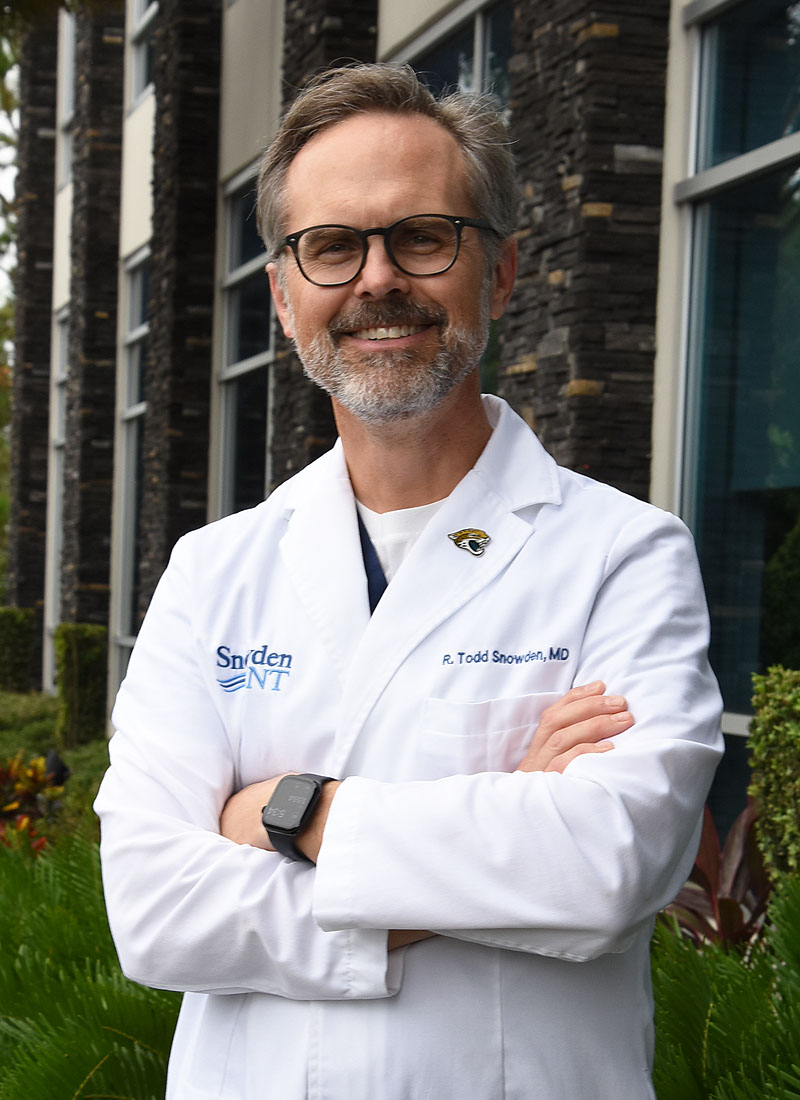
Choosing an ENT specialist is an important decision, particularly when surgery may be part of your treatment plan. Robert Todd Snowden, MD, FACS is a board-certified otolaryngologist who has been diagnosing and treating complex disorders of the ears, nose, and throat since 2001. With more than 20 years of experience caring for patients throughout Northeast Florida, Dr. Snowden is known for combining careful diagnostic evaluation with evidence-based treatment recommendations that are tailored to each patient’s individual needs. His commitment is to help every patient achieve the best possible outcome through compassionate, ethical, and patient-centered care.
As a Fellow of the American College of Surgeons (FACS) and the American Academy of Otolaryngology–Head and Neck Surgery, Dr. Snowden maintains the highest professional standards within his specialty. He is also an active member of the Florida Medical Association and the Duval County Medical Society and has previously held memberships in the American Rhinologic Society and the American Association of Otolaryngic Allergy. Throughout his career, he has remained committed to advancing his knowledge and providing patients with care that reflects current evidence and accepted best practices.
In addition to his clinical experience, Dr. Snowden has served in numerous leadership roles within the Jacksonville medical community. During more than 25 years on the Baptist Health medical staff, he served as Chief of Surgery and Chief of Staff at Baptist Medical Center South and was a member of the Baptist Physician Partners Board of Directors. Whether treating chronic nasal obstruction, performing advanced sinus and nasal surgery, or managing complex throat and voice disorders, Dr. Snowden has earned the trust of patients and referring physicians alike through his experience, sound clinical judgment, and dedication to delivering exceptional ENT care.
Meet Dr. Robert Todd Snowden
Choosing an ENT specialist is an important decision, particularly when surgery may be part of your treatment plan. Robert Todd Snowden, MD, FACS is a board-certified otolaryngologist who has been diagnosing and treating complex disorders of the ears, nose, and throat since 2001. With more than 20 years of experience caring for patients throughout Northeast Florida, Dr. Snowden is known for combining careful diagnostic evaluation with evidence-based treatment recommendations that are tailored to each patient’s individual needs. His commitment is to help every patient achieve the best possible outcome through compassionate, ethical, and patient-centered care.
As a Fellow of the American College of Surgeons (FACS) and the American Academy of Otolaryngology–Head and Neck Surgery, Dr. Snowden maintains the highest professional standards within his specialty. He is also an active member of the Florida Medical Association and the Duval County Medical Society and has previously held memberships in the American Rhinologic Society and the American Association of Otolaryngic Allergy. Throughout his career, he has remained committed to advancing his knowledge and providing patients with care that reflects current evidence and accepted best practices.
In addition to his clinical experience, Dr. Snowden has served in numerous leadership roles within the Jacksonville medical community. During more than 25 years on the Baptist Health medical staff, he served as Chief of Surgery and Chief of Staff at Baptist Medical Center South and was a member of the Baptist Physician Partners Board of Directors. Whether treating chronic nasal obstruction, performing advanced sinus and nasal surgery, or managing complex throat and voice disorders, Dr. Snowden has earned the trust of patients and referring physicians alike through his experience, sound clinical judgment, and dedication to delivering exceptional ENT care.
What Our Patients Are Saying




Contact Us!
(904) 268-5366
Or, if it is more convenient, use our contact form and we’ll get back to you as soon as possible.
Contact Us!
(904) 268-5366
Or, if it is more convenient, use our contact form and we’ll get back to you as soon as possible.

Snowden ENT is proud to be a select ENT Provider of the Baptist Physician Partners network. The mission of Baptist Physician Partners is to shape the future of health care in our community through an integrated partnership of providers and Baptist Health hospitals working collaboratively toward common goals for improving quality, safety, efficiency and outcomes for our patients.

12574 Flagler Center Boulevard
Suite 201
Jacksonville, FL 32258
(904) 268-5366
Monday – Thursday 8:30 AM to 4:30 PM
Friday 8:30 AM to 3:45 PM
Snowden ENT is proud to be a select ENT Provider of the Baptist Physician Partners network. The mission of Baptist Physician Partners is to shape the future of health care in our community through an integrated partnership of providers and Baptist Health hospitals working collaboratively toward common goals for improving quality, safety, efficiency and outcomes for our patients.
12574 Flagler Center Blvd
Suite 201
Jacksonville, FL 32258
(904) 268-5366
Monday – Thursday 8:30 AM to 4:30 PM
Friday 8:30 AM to 3:45 PM
Copyright | Snowden ENT | All Rights Reserved | Created and Optimized by BoomClient