Recovery After Septoplasty in Jacksonville
What to Expect as Your Nose Heals and Your Breathing Improves
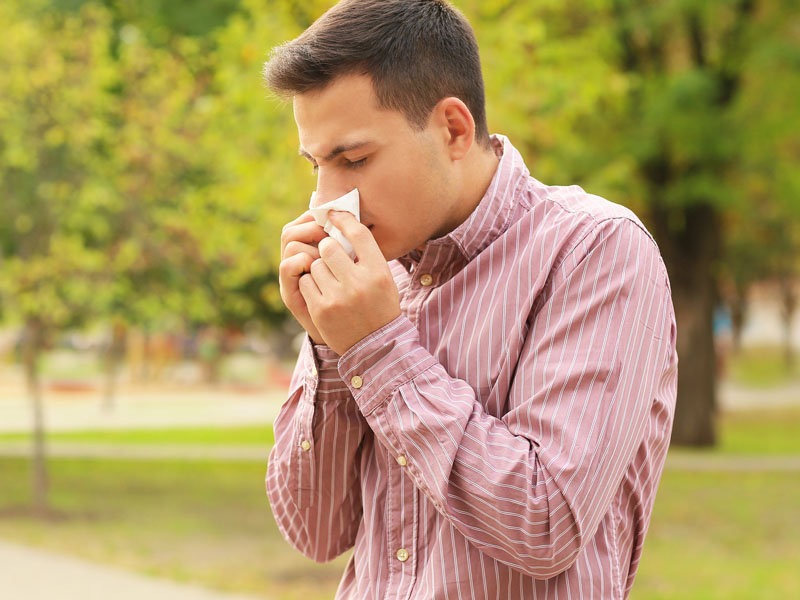
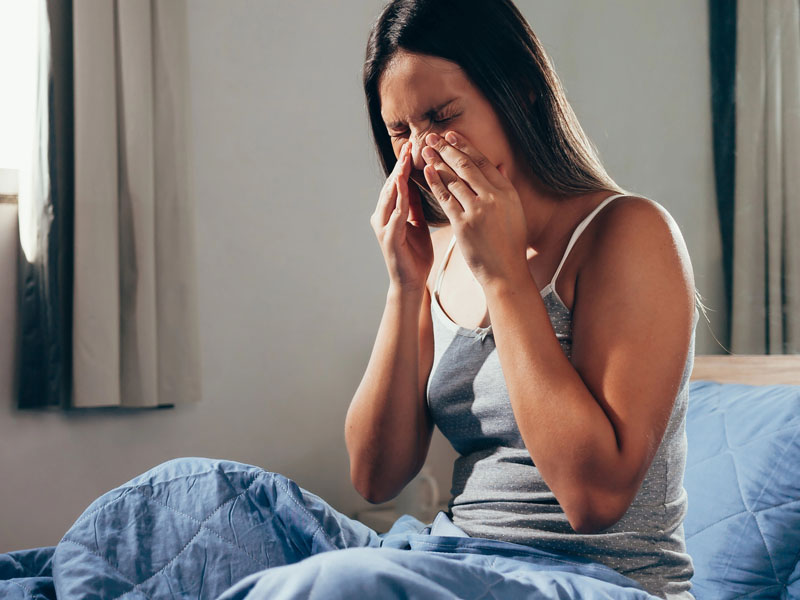
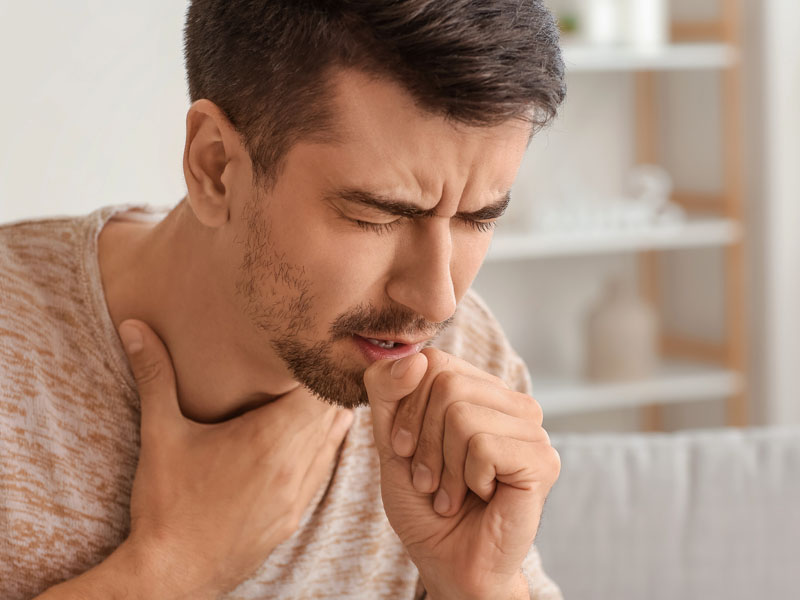
One of the most common questions I hear from patients considering septoplasty is how long it will take before they can breathe normally and return to their usual routine. Recovery after septoplasty in Jacksonville is a gradual process. Although I correct the structural obstruction during surgery, the tissues inside the nose need time to heal. Swelling, congestion, drainage, and pressure are expected early in recovery and can temporarily make nasal breathing more difficult rather than easier.
This is an important expectation to understand before surgery. You should not judge the improvement in your breathing during the first few days, or even by one particular point on a recovery calendar. As internal swelling decreases and the nasal passages heal, airflow generally becomes more open and the functional benefit of correcting the septum becomes easier to appreciate. The pace of that improvement varies with the extent of the septal correction, individual healing, and whether another nasal or sinus procedure was performed at the same time.
Throughout recovery after septoplasty in Jacksonville, I follow my patients to make sure healing is progressing appropriately and to address concerns that arise along the way. Knowing what is expected, following your postoperative instructions, protecting your nose while it heals, and recognizing symptoms that warrant a call to my office are all important parts of recovery. In the sections that follow, I will explain what you can generally expect from the first days after surgery through your return to normal activities and longer-term improvement in nasal breathing.
- What Happens During the First 48 Hours After Septoplasty?
- The Rest of the First Week After Septoplasty
- Your First Postoperative Visit
- Weeks 2 Through 4 and Longer-Term Healing
- Pain, Pressure, and Discomfort After Septoplasty
- Why Your Nose Feels Congested During Recovery
- Drainage, Minor Bleeding, Crusting, and Dryness
- Caring for Your Nose While It Heals
- Eating, Drinking, and Taking Care of Yourself During Recovery
- When Can I Return to Work and Normal Daily Activities?
- When Can I Exercise After Septoplasty?
- What Is Normal and When Should I Contact Dr. Snowden?
- Frequently Asked Questions About Recovery After Septoplasty in Jacksonville
- Meet Dr. Robert Todd Snowden
- What Our Patients Are Saying
- Contact Us!
Recovery After Septoplasty in Jacksonville
What to Expect as Your Nose Heals and Your Breathing Improves
One of the most common questions I hear from patients considering septoplasty is how long it will take before they can breathe normally and return to their usual routine. Recovery after septoplasty in Jacksonville is a gradual process. Although I correct the structural obstruction during surgery, the tissues inside the nose need time to heal. Swelling, congestion, drainage, and pressure are expected early in recovery and can temporarily make nasal breathing more difficult rather than easier.
This is an important expectation to understand before surgery. You should not judge the improvement in your breathing during the first few days, or even by one particular point on a recovery calendar. As internal swelling decreases and the nasal passages heal, airflow generally becomes more open and the functional benefit of correcting the septum becomes easier to appreciate. The pace of that improvement varies with the extent of the septal correction, individual healing, and whether another nasal or sinus procedure was performed at the same time.
Throughout recovery after septoplasty in Jacksonville, I follow my patients to make sure healing is progressing appropriately and to address concerns that arise along the way. Knowing what is expected, following your postoperative instructions, protecting your nose while it heals, and recognizing symptoms that warrant a call to my office are all important parts of recovery. In the sections that follow, I will explain what you can generally expect from the first days after surgery through your return to normal activities and longer-term improvement in nasal breathing.
- What Happens During the First 48 Hours After Septoplasty?
- The Rest of the First Week After Septoplasty
- Your First Postoperative Visit
- Weeks 2 Through 4 and Longer-Term Healing
- Pain, Pressure, and Discomfort After Septoplasty
- Why Your Nose Feels Congested During Recovery
- Drainage, Minor Bleeding, Crusting, and Dryness
- Caring for Your Nose While It Heals
- Eating, Drinking, and Taking Care of Yourself During Recovery
- When Can I Return to Work and Normal Daily Activities?
- When Can I Exercise After Septoplasty?
- What Is Normal and When Should I Contact Dr. Snowden?
- Frequently Asked Questions About Recovery After Septoplasty in Jacksonville
- Meet Dr. Robert Todd Snowden
- What Our Patients Are Saying
- Contact Us!
What Happens During the First 48 Hours After Septoplasty?
The first 48 hours of recovery after septoplasty in Jacksonville are primarily about resting and allowing the initial healing process to begin. Septoplasty is typically performed as an outpatient procedure, so after you have recovered sufficiently from anesthesia, you can usually return home the same day with detailed postoperative instructions. Because anesthesia and surgery can leave you tired or somewhat groggy, you will need someone to drive you home and should plan to take it easy.
During these first two days, it is normal for the inside of the nose to feel swollen and congested. You may have some blood-tinged drainage, pressure, tenderness, and difficulty breathing through the nose. If I have placed internal splints or other postoperative material, that can contribute to the temporary feeling of blockage. Mouth breathing may therefore be necessary until some of the swelling subsides and the nose begins to clear.
I generally want patients concentrating on simple things during this early stage: getting adequate rest, keeping the head elevated as instructed, taking prescribed or recommended medications correctly, and avoiding unnecessary bending, lifting, or exertion that could increase pressure and bleeding. Your individual postoperative instructions will explain what I want you to do based on the procedure you actually had.
It is especially important to remember that severe congestion during the first 48 hours does not tell us how well septoplasty ultimately improved the nasal airway. Early recovery after septoplasty in Jacksonville reflects the effects of surgery and the body’s initial healing response. The structural correction has been made, but swelling temporarily occupies some of the space we created. Breathing improvement becomes much easier to evaluate later as those tissues heal.
What Happens During the First 48 Hours After Septoplasty?
The first 48 hours of recovery after septoplasty in Jacksonville are primarily about resting and allowing the initial healing process to begin. Septoplasty is typically performed as an outpatient procedure, so after you have recovered sufficiently from anesthesia, you can usually return home the same day with detailed postoperative instructions. Because anesthesia and surgery can leave you tired or somewhat groggy, you will need someone to drive you home and should plan to take it easy.
During these first two days, it is normal for the inside of the nose to feel swollen and congested. You may have some blood-tinged drainage, pressure, tenderness, and difficulty breathing through the nose. If I have placed internal splints or other postoperative material, that can contribute to the temporary feeling of blockage. Mouth breathing may therefore be necessary until some of the swelling subsides and the nose begins to clear.
I generally want patients concentrating on simple things during this early stage: getting adequate rest, keeping the head elevated as instructed, taking prescribed or recommended medications correctly, and avoiding unnecessary bending, lifting, or exertion that could increase pressure and bleeding. Your individual postoperative instructions will explain what I want you to do based on the procedure you actually had.
It is especially important to remember that severe congestion during the first 48 hours does not tell us how well septoplasty ultimately improved the nasal airway. Early recovery after septoplasty in Jacksonville reflects the effects of surgery and the body’s initial healing response. The structural correction has been made, but swelling temporarily occupies some of the space we created. Breathing improvement becomes much easier to evaluate later as those tissues heal.
The Rest of the First Week After Septoplasty
After the first couple of days, recovery after septoplasty in Jacksonville begins to shift from the immediate effects of surgery toward early healing. You may still feel quite congested, and swelling inside the nose can continue to limit airflow. Blood-tinged drainage generally becomes less noticeable, while dryness and crusting may become more apparent as the tissues heal. If internal splints were used, the nose can continue to feel blocked until they are removed.
Discomfort should generally be moving in the right direction rather than becoming progressively worse. You may still experience pressure, tenderness, fatigue, or a feeling of fullness inside the nose, but recovery does not follow exactly the same timetable for everyone. One side may even seem more open than the other at different points during healing. What matters more than reaching a particular milestone on a particular day is the overall direction of your recovery.
The first week is still a time to protect the surgical area rather than test how quickly you can return to everything you normally do. Continue following the postoperative instructions I provided, including any restrictions on nose blowing, bending, lifting, exercise, and nasal care. As recovery after septoplasty in Jacksonville progresses, I can gradually adjust those restrictions based on how your nose is healing rather than relying on a one-size-fits-all recovery schedule.
The Rest of the First Week After Septoplasty
After the first couple of days, recovery after septoplasty in Jacksonville begins to shift from the immediate effects of surgery toward early healing. You may still feel quite congested, and swelling inside the nose can continue to limit airflow. Blood-tinged drainage generally becomes less noticeable, while dryness and crusting may become more apparent as the tissues heal. If internal splints were used, the nose can continue to feel blocked until they are removed.
Discomfort should generally be moving in the right direction rather than becoming progressively worse. You may still experience pressure, tenderness, fatigue, or a feeling of fullness inside the nose, but recovery does not follow exactly the same timetable for everyone. One side may even seem more open than the other at different points during healing. What matters more than reaching a particular milestone on a particular day is the overall direction of your recovery.
The first week is still a time to protect the surgical area rather than test how quickly you can return to everything you normally do. Continue following the postoperative instructions I provided, including any restrictions on nose blowing, bending, lifting, exercise, and nasal care. As recovery after septoplasty in Jacksonville progresses, I can gradually adjust those restrictions based on how your nose is healing rather than relying on a one-size-fits-all recovery schedule.
Your First Postoperative Visit
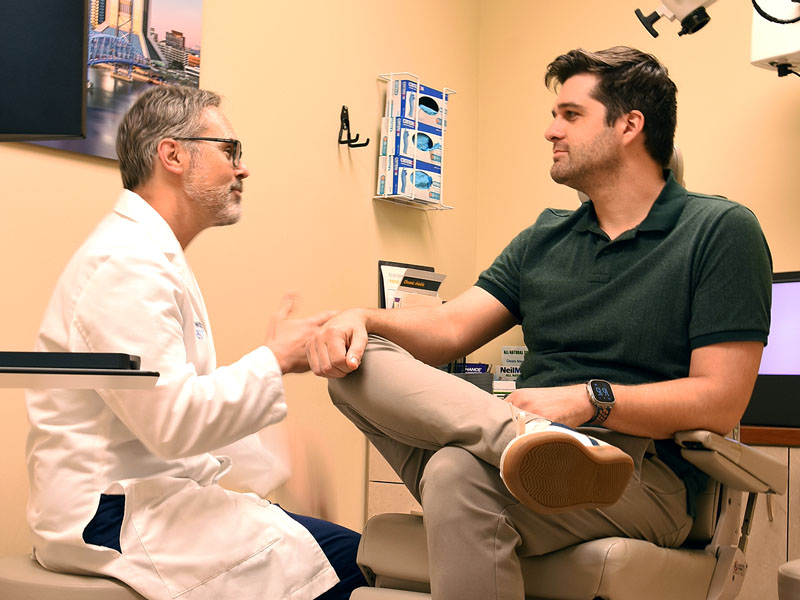
Your first follow-up appointment gives me an opportunity to see how the tissues inside your nose are healing rather than relying only on how the nose feels. During this visit, I examine the surgical area for swelling, crusting, drainage, and other signs of early healing. I also want to hear how you have been doing at home, including any problems with discomfort, bleeding, congestion, medications, or postoperative care.
If I placed internal splints during surgery, they may be removed at a postoperative visit when I determine the timing is appropriate. Patients often notice a change in airflow after splint removal, although the nose may still be swollen and congested. Depending on what I find, I may also provide additional instructions for nasal care as healing continues.
Follow-up is an important part of recovery after septoplasty in Jacksonville because what you feel and what I can see inside the nose provide different information. These visits allow me to monitor healing, address concerns early, and determine when it is appropriate to begin relaxing activity or nasal-care restrictions. They also give you an opportunity to ask questions about symptoms that may be difficult to judge on your own.
I do not expect the nose to look or feel completely healed at the first postoperative visit. This is an early checkpoint in a longer process. My focus at this stage is whether healing is progressing appropriately and what your nose needs next, not whether you have already reached the final improvement in breathing that we expect from septoplasty.
Your First Postoperative Visit
Your first follow-up appointment gives me an opportunity to see how the tissues inside your nose are healing rather than relying only on how the nose feels. During this visit, I examine the surgical area for swelling, crusting, drainage, and other signs of early healing. I also want to hear how you have been doing at home, including any problems with discomfort, bleeding, congestion, medications, or postoperative care.
If I placed internal splints during surgery, they may be removed at a postoperative visit when I determine the timing is appropriate. Patients often notice a change in airflow after splint removal, although the nose may still be swollen and congested. Depending on what I find, I may also provide additional instructions for nasal care as healing continues.
Follow-up is an important part of recovery after septoplasty in Jacksonville because what you feel and what I can see inside the nose provide different information. These visits allow me to monitor healing, address concerns early, and determine when it is appropriate to begin relaxing activity or nasal-care restrictions. They also give you an opportunity to ask questions about symptoms that may be difficult to judge on your own.
I do not expect the nose to look or feel completely healed at the first postoperative visit. This is an early checkpoint in a longer process. My focus at this stage is whether healing is progressing appropriately and what your nose needs next, not whether you have already reached the final improvement in breathing that we expect from septoplasty.
Weeks 2 Through 4 and Longer-Term Healing
By the second and third weeks, many patients are moving beyond the most disruptive part of recovery after septoplasty in Jacksonville. Swelling and congestion should be gradually decreasing, and everyday activities may feel considerably easier than they did during the first week. Nasal airflow can begin to feel more open as the tissues settle, although some residual swelling, dryness, crusting, or fluctuations between the two sides of the nose may still occur.
Feeling better does not mean the inside of the nose has finished healing. The septum and surrounding tissues continue to recover after you have returned to much of your normal routine. Internal swelling can take considerably longer to resolve than the initial discomfort, and subtle changes in airflow may continue as healing progresses. This is why I prefer to evaluate the result over time rather than decide how successful the procedure was based on how the nose feels at two or three weeks.
By the later stages of recovery after septoplasty in Jacksonville, the emphasis shifts from recovering from surgery to allowing the final internal healing process to take place. Follow-up care remains useful because it allows me to assess that progress and address persistent symptoms if they occur. Most importantly, patients should understand that there is a difference between being well enough to resume normal life and reaching the point when the tissues inside the nose have fully settled.
Weeks 2 Through 4 and Longer-Term Healing
By the second and third weeks, many patients are moving beyond the most disruptive part of recovery after septoplasty in Jacksonville. Swelling and congestion should be gradually decreasing, and everyday activities may feel considerably easier than they did during the first week. Nasal airflow can begin to feel more open as the tissues settle, although some residual swelling, dryness, crusting, or fluctuations between the two sides of the nose may still occur.
Feeling better does not mean the inside of the nose has finished healing. The septum and surrounding tissues continue to recover after you have returned to much of your normal routine. Internal swelling can take considerably longer to resolve than the initial discomfort, and subtle changes in airflow may continue as healing progresses. This is why I prefer to evaluate the result over time rather than decide how successful the procedure was based on how the nose feels at two or three weeks.
By the later stages of recovery after septoplasty in Jacksonville, the emphasis shifts from recovering from surgery to allowing the final internal healing process to take place. Follow-up care remains useful because it allows me to assess that progress and address persistent symptoms if they occur. Most importantly, patients should understand that there is a difference between being well enough to resume normal life and reaching the point when the tissues inside the nose have fully settled.
Pain, Pressure, and Discomfort After Septoplasty
Patients often use the word “pain” to describe several different sensations during recovery after septoplasty in Jacksonville. In the early stages, the nose may feel tender, swollen, full, or pressured rather than simply painful. Congestion can create its own discomfort, and temporary mouth breathing may contribute to a dry mouth or throat. Some patients also experience headache-like pressure during the initial healing period.
The pattern of discomfort is often more useful than trying to assign it a number. Early postoperative discomfort should generally become more manageable as healing progresses. I provide each patient with instructions for managing discomfort based on the procedure performed and their individual circumstances, including guidance about any medications that should or should not be taken during recovery.
Pain that becomes substantially worse after it had been improving, seems disproportionate to the stage of recovery, or occurs along with other concerning symptoms deserves attention. I would rather have a patient contact my office about an unexpected change than assume that significant worsening is simply part of normal healing. Recovery after septoplasty in Jacksonville varies between patients, but the overall course should generally be toward less discomfort as the nose heals.
Pain, Pressure, and Discomfort After Septoplasty
Patients often use the word “pain” to describe several different sensations during recovery after septoplasty in Jacksonville. In the early stages, the nose may feel tender, swollen, full, or pressured rather than simply painful. Congestion can create its own discomfort, and temporary mouth breathing may contribute to a dry mouth or throat. Some patients also experience headache-like pressure during the initial healing period.
The pattern of discomfort is often more useful than trying to assign it a number. Early postoperative discomfort should generally become more manageable as healing progresses. I provide each patient with instructions for managing discomfort based on the procedure performed and their individual circumstances, including guidance about any medications that should or should not be taken during recovery.
Pain that becomes substantially worse after it had been improving, seems disproportionate to the stage of recovery, or occurs along with other concerning symptoms deserves attention. I would rather have a patient contact my office about an unexpected change than assume that significant worsening is simply part of normal healing. Recovery after septoplasty in Jacksonville varies between patients, but the overall course should generally be toward less discomfort as the nose heals.
Why Your Nose Feels Congested During Recovery
It can be frustrating to undergo septoplasty to improve nasal breathing and then wake up feeling as though your nose is completely blocked. That temporary congestion is an expected consequence of operating on tissues within a relatively small space. The septum may have been repositioned to create a better airway, but the surrounding tissues respond to surgery with swelling that temporarily occupies some of that newly available space.
Several other factors can add to the blocked sensation during recovery after septoplasty in Jacksonville. Mucus and dried drainage can accumulate while the nose heals, and crusting may develop along the surgical areas. Internal splints, when I use them, can further reduce airflow until they are removed. These factors can make mouth breathing necessary during the early stages even though the underlying structural obstruction has already been corrected.
Nasal airflow may also fluctuate as healing progresses. One side can temporarily feel more congested than the other, and the amount of obstruction may change throughout the day. The normal nasal cycle, in which tissues on each side naturally alternate in fullness, can become much more noticeable when postoperative swelling is present.
For these reasons, congestion immediately after surgery is not a reliable measure of the final result. As swelling decreases, crusting resolves, and the internal tissues continue to heal, the airway gradually becomes easier to evaluate. One of the important parts of recovery after septoplasty in Jacksonville is simply allowing enough time for the temporary effects of surgery to subside before judging how much the structural correction has improved your breathing.
Why Your Nose Feels Congested During Recovery
It can be frustrating to undergo septoplasty to improve nasal breathing and then wake up feeling as though your nose is completely blocked. That temporary congestion is an expected consequence of operating on tissues within a relatively small space. The septum may have been repositioned to create a better airway, but the surrounding tissues respond to surgery with swelling that temporarily occupies some of that newly available space.
Several other factors can add to the blocked sensation during recovery after septoplasty in Jacksonville. Mucus and dried drainage can accumulate while the nose heals, and crusting may develop along the surgical areas. Internal splints, when I use them, can further reduce airflow until they are removed. These factors can make mouth breathing necessary during the early stages even though the underlying structural obstruction has already been corrected.
Nasal airflow may also fluctuate as healing progresses. One side can temporarily feel more congested than the other, and the amount of obstruction may change throughout the day. The normal nasal cycle, in which tissues on each side naturally alternate in fullness, can become much more noticeable when postoperative swelling is present.
For these reasons, congestion immediately after surgery is not a reliable measure of the final result. As swelling decreases, crusting resolves, and the internal tissues continue to heal, the airway gradually becomes easier to evaluate. One of the important parts of recovery after septoplasty in Jacksonville is simply allowing enough time for the temporary effects of surgery to subside before judging how much the structural correction has improved your breathing.
Drainage, Minor Bleeding, Crusting, and Dryness
A small amount of bloody or blood-tinged drainage can occur during the early stages of recovery after septoplasty in Jacksonville. The tissues inside the nose have been surgically manipulated and need time to seal and heal. Drainage should generally diminish rather than become heavier as recovery progresses. I give patients specific instructions about what to do if minor bleeding occurs and when the amount or duration of bleeding warrants contacting my office.
As the initial drainage decreases, dryness and crusting can become more noticeable. Mucus and small amounts of dried blood may collect around healing areas inside the nose, contributing to congestion and sometimes making the airway feel irregular from one side to the other. Although patients may be tempted to remove crusts themselves, picking or inserting objects into the nose can disturb healing tissue and potentially cause bleeding.
Proper postoperative nasal care helps manage these changes while the lining of the nose recovers. I provide instructions based on what was performed during surgery and how the nose is healing, including the appropriate use of saline when indicated. During recovery after septoplasty in Jacksonville, significant bleeding, bleeding that does not respond to the measures I have recommended, or a sudden increase after bleeding had been subsiding should be reported rather than assumed to be part of normal postoperative drainage.
Drainage, Minor Bleeding, Crusting, and Dryness
A small amount of bloody or blood-tinged drainage can occur during the early stages of recovery after septoplasty in Jacksonville. The tissues inside the nose have been surgically manipulated and need time to seal and heal. Drainage should generally diminish rather than become heavier as recovery progresses. I give patients specific instructions about what to do if minor bleeding occurs and when the amount or duration of bleeding warrants contacting my office.
As the initial drainage decreases, dryness and crusting can become more noticeable. Mucus and small amounts of dried blood may collect around healing areas inside the nose, contributing to congestion and sometimes making the airway feel irregular from one side to the other. Although patients may be tempted to remove crusts themselves, picking or inserting objects into the nose can disturb healing tissue and potentially cause bleeding.
Proper postoperative nasal care helps manage these changes while the lining of the nose recovers. I provide instructions based on what was performed during surgery and how the nose is healing, including the appropriate use of saline when indicated. During recovery after septoplasty in Jacksonville, significant bleeding, bleeding that does not respond to the measures I have recommended, or a sudden increase after bleeding had been subsiding should be reported rather than assumed to be part of normal postoperative drainage.
Caring for Your Nose While It Heals
The tissues inside your nose are vulnerable during the early stages of recovery after septoplasty in Jacksonville, so postoperative care is designed to protect the surgical area while normal healing takes place. I provide specific instructions based on the extent of your surgery and whether any additional nasal or sinus procedures were performed. Those individualized instructions should always take priority over generalized recovery advice you may read elsewhere.
Saline may be recommended to help keep the nasal passages moist and reduce the accumulation of dried mucus and crusting. At the same time, it is important not to pick at crusts or insert anything into the nose unless I have specifically instructed you to do so. Nose blowing is typically restricted during early healing because the pressure it creates can irritate surgical tissues and provoke bleeding. I will let you know when it is appropriate to resume it.
Sneezing is sometimes unavoidable. If you need to sneeze during early recovery, I generally want you to avoid containing that pressure within the nose and follow the technique included in your postoperative instructions. Sleeping with your head elevated may also be recommended initially to help limit swelling and make the first several nights more comfortable. Temporary congestion and mouth breathing can still interfere with sleep until the nasal passages begin to open.
Good nasal care does not make the tissues heal instantly, but it creates a better environment for uncomplicated healing. Following medication instructions carefully, protecting the nose from unnecessary pressure or trauma, and keeping your scheduled follow-up appointments are all important parts of recovery after septoplasty in Jacksonville. If you are uncertain about whether you should clean, rinse, blow, or otherwise manipulate your nose at a particular stage, I would prefer that you ask rather than risk disturbing tissue that is still healing.
Caring for Your Nose While It Heals
The tissues inside your nose are vulnerable during the early stages of recovery after septoplasty in Jacksonville, so postoperative care is designed to protect the surgical area while normal healing takes place. I provide specific instructions based on the extent of your surgery and whether any additional nasal or sinus procedures were performed. Those individualized instructions should always take priority over generalized recovery advice you may read elsewhere.
Saline may be recommended to help keep the nasal passages moist and reduce the accumulation of dried mucus and crusting. At the same time, it is important not to pick at crusts or insert anything into the nose unless I have specifically instructed you to do so. Nose blowing is typically restricted during early healing because the pressure it creates can irritate surgical tissues and provoke bleeding. I will let you know when it is appropriate to resume it.
Sneezing is sometimes unavoidable. If you need to sneeze during early recovery, I generally want you to avoid containing that pressure within the nose and follow the technique included in your postoperative instructions. Sleeping with your head elevated may also be recommended initially to help limit swelling and make the first several nights more comfortable. Temporary congestion and mouth breathing can still interfere with sleep until the nasal passages begin to open.
Good nasal care does not make the tissues heal instantly, but it creates a better environment for uncomplicated healing. Following medication instructions carefully, protecting the nose from unnecessary pressure or trauma, and keeping your scheduled follow-up appointments are all important parts of recovery after septoplasty in Jacksonville. If you are uncertain about whether you should clean, rinse, blow, or otherwise manipulate your nose at a particular stage, I would prefer that you ask rather than risk disturbing tissue that is still healing.
Eating, Drinking, and Taking Care of Yourself During Recovery
Your appetite may not be completely normal immediately after surgery, particularly while the effects of anesthesia are wearing off. During the early part of recovery after septoplasty in Jacksonville, I generally want patients to concentrate on staying well hydrated and eating foods they tolerate comfortably. Adequate fluids and nutrition support the body’s normal healing process, even if you prefer smaller or lighter meals during the first day or two.
Temporary mouth breathing can leave the mouth and throat feeling dry, making hydration especially important. You should also follow any instructions I provide regarding medications, including whether a particular medication should be taken with food and whether there are foods, beverages, supplements, or medications that should temporarily be avoided.
There is no special diet that makes a septum heal faster. The objective is simply to give your body what it needs while you recover: appropriate nutrition, adequate hydration, rest, and time. As your appetite and energy return, you can generally move back toward your normal eating routine while continuing to follow the specific postoperative instructions I have provided.
Eating, Drinking, and Taking Care of Yourself During Recovery
Your appetite may not be completely normal immediately after surgery, particularly while the effects of anesthesia are wearing off. During the early part of recovery after septoplasty in Jacksonville, I generally want patients to concentrate on staying well hydrated and eating foods they tolerate comfortably. Adequate fluids and nutrition support the body’s normal healing process, even if you prefer smaller or lighter meals during the first day or two.
Temporary mouth breathing can leave the mouth and throat feeling dry, making hydration especially important. You should also follow any instructions I provide regarding medications, including whether a particular medication should be taken with food and whether there are foods, beverages, supplements, or medications that should temporarily be avoided.
There is no special diet that makes a septum heal faster. The objective is simply to give your body what it needs while you recover: appropriate nutrition, adequate hydration, rest, and time. As your appetite and energy return, you can generally move back toward your normal eating routine while continuing to follow the specific postoperative instructions I have provided.
When Can I Return to Work and Normal Daily Activities?
There is no single return-to-work date that applies to everyone during recovery after septoplasty in Jacksonville. How quickly you can return depends partly on how you are healing, but it also depends on what your normal day requires. Someone who works at a computer in a relatively controlled environment has very different physical demands from someone whose job involves repeated bending, lifting, outdoor work, or strenuous activity.
Even when discomfort has improved, fatigue and nasal congestion can make the first several days less productive than usual. I encourage patients to give themselves enough time to recover rather than planning around the earliest possible return date. If your work can be resumed without placing pressure on the healing nose or increasing the risk of bleeding or injury, you may be able to return sooner than someone with a physically demanding occupation.
Normal household and daily activities should also be resumed gradually. Feeling better is a good sign, but it does not mean the tissues inside your nose are ready for unrestricted activity. I consider what was performed during surgery, how your nose is healing, and the demands of the activity when advising you about returning to your routine. During recovery after septoplasty in Jacksonville, the goal is not to remain inactive longer than necessary, but to avoid pushing the healing tissues faster than they are ready to go.
When Can I Return to Work and Normal Daily Activities?
There is no single return-to-work date that applies to everyone during recovery after septoplasty in Jacksonville. How quickly you can return depends partly on how you are healing, but it also depends on what your normal day requires. Someone who works at a computer in a relatively controlled environment has very different physical demands from someone whose job involves repeated bending, lifting, outdoor work, or strenuous activity.
Even when discomfort has improved, fatigue and nasal congestion can make the first several days less productive than usual. I encourage patients to give themselves enough time to recover rather than planning around the earliest possible return date. If your work can be resumed without placing pressure on the healing nose or increasing the risk of bleeding or injury, you may be able to return sooner than someone with a physically demanding occupation.
Normal household and daily activities should also be resumed gradually. Feeling better is a good sign, but it does not mean the tissues inside your nose are ready for unrestricted activity. I consider what was performed during surgery, how your nose is healing, and the demands of the activity when advising you about returning to your routine. During recovery after septoplasty in Jacksonville, the goal is not to remain inactive longer than necessary, but to avoid pushing the healing tissues faster than they are ready to go.
When Can I Exercise After Septoplasty?
Light movement and strenuous exercise are very different during recovery after septoplasty in Jacksonville. Gentle walking can often be useful as you begin feeling better, but vigorous exercise raises your heart rate and blood pressure and can increase the risk of postoperative bleeding. Heavy lifting, repeated bending, and straining can create similar concerns while the tissues inside the nose are still healing.
For that reason, I have patients return to exercise gradually rather than going directly from postoperative rest to their normal workout. The appropriate timing depends on how the nose is healing, the extent of surgery, and the activity you want to resume. Walking, weight training, running, swimming, and physically demanding sports do not necessarily belong on the same recovery timetable.
Activities that could result in a blow to the nose require additional caution. Even if you feel physically ready to exercise, the septum and surrounding tissues still need protection while healing internally. Contact sports and other activities with a meaningful risk of nasal trauma should not be resumed until I believe the nose has healed sufficiently.
Exercise restrictions are temporary, but they serve an important purpose. I would rather have a patient progress gradually than experience bleeding or an injury that interrupts an otherwise good recovery after septoplasty in Jacksonville. At your follow-up visits, we can discuss the activities that matter to you and determine when it is reasonable to begin adding them back.
When Can I Exercise After Septoplasty?
Light movement and strenuous exercise are very different during recovery after septoplasty in Jacksonville. Gentle walking can often be useful as you begin feeling better, but vigorous exercise raises your heart rate and blood pressure and can increase the risk of postoperative bleeding. Heavy lifting, repeated bending, and straining can create similar concerns while the tissues inside the nose are still healing.
For that reason, I have patients return to exercise gradually rather than going directly from postoperative rest to their normal workout. The appropriate timing depends on how the nose is healing, the extent of surgery, and the activity you want to resume. Walking, weight training, running, swimming, and physically demanding sports do not necessarily belong on the same recovery timetable.
Activities that could result in a blow to the nose require additional caution. Even if you feel physically ready to exercise, the septum and surrounding tissues still need protection while healing internally. Contact sports and other activities with a meaningful risk of nasal trauma should not be resumed until I believe the nose has healed sufficiently.
Exercise restrictions are temporary, but they serve an important purpose. I would rather have a patient progress gradually than experience bleeding or an injury that interrupts an otherwise good recovery after septoplasty in Jacksonville. At your follow-up visits, we can discuss the activities that matter to you and determine when it is reasonable to begin adding them back.
What Is Normal and When Should I Contact Dr. Snowden?
Some symptoms that would be unusual under normal circumstances are expected during recovery after septoplasty in Jacksonville. Nasal congestion, pressure, tenderness, fatigue, mild blood-tinged drainage, dryness, crusting, and temporary mouth breathing can all occur as the tissues heal. Airflow may also fluctuate from one side to the other. These symptoms should generally move in the direction of improvement rather than become progressively more severe.
I am more concerned by a significant change in the expected course of healing. Heavy or persistent bleeding, pain that becomes substantially worse after initially improving, increasing swelling, a concerning fever, unusual or worsening drainage, signs of infection, or unexpected breathing difficulty should prompt a call to my office. If something feels significantly different from what I told you to expect, I would rather you contact me than assume it is simply part of recovery after septoplasty in Jacksonville. Your individual postoperative instructions should always take precedence over generalized recovery information.
What Is Normal and When Should I Contact Dr. Snowden?
Some symptoms that would be unusual under normal circumstances are expected during recovery after septoplasty in Jacksonville. Nasal congestion, pressure, tenderness, fatigue, mild blood-tinged drainage, dryness, crusting, and temporary mouth breathing can all occur as the tissues heal. Airflow may also fluctuate from one side to the other. These symptoms should generally move in the direction of improvement rather than become progressively more severe.
I am more concerned by a significant change in the expected course of healing. Heavy or persistent bleeding, pain that becomes substantially worse after initially improving, increasing swelling, a concerning fever, unusual or worsening drainage, signs of infection, or unexpected breathing difficulty should prompt a call to my office. If something feels significantly different from what I told you to expect, I would rather you contact me than assume it is simply part of recovery after septoplasty in Jacksonville. Your individual postoperative instructions should always take precedence over generalized recovery information.
Frequently Asked Questions About Recovery After Septoplasty in Jacksonville
Can I Blow My Nose After Septoplasty? I generally restrict nose blowing during the early stages of healing because the pressure can irritate surgical tissues and contribute to bleeding. I will let you know when it is appropriate to begin blowing your nose again based on how your recovery is progressing.
What Should I Do If I Need to Sneeze? Sneezing is sometimes unavoidable during recovery after septoplasty in Jacksonville. Rather than trying to suppress a sneeze or contain the pressure within your nose, follow the technique I provide in your postoperative instructions. If allergies are causing frequent sneezing, let me know so we can determine how best to manage them during healing.
Will I Have Nasal Packing After Septoplasty? Not every septoplasty requires traditional nasal packing. The type of postoperative material used depends on the procedure and individual circumstances. If I plan to use splints, packing, or another material inside your nose, I will explain what to expect and when it will be removed.
When Are Septoplasty Splints Removed? If internal splints are used, removal typically occurs during a postoperative visit when I determine the timing is appropriate. Your nose may feel more open afterward, but some internal swelling and congestion can remain, so splint removal should not be viewed as the end of the healing process.
When Can I Drive After Septoplasty? You cannot drive yourself home after surgery, and you should not drive while taking medications that impair alertness or while you are not able to react normally and safely. I recommend discussing your individual situation with me before returning to driving.
When Can I Bend Over? Repeated or prolonged bending can increase pressure in the head and nose during early healing and may contribute to bleeding. I generally want patients to limit this initially and gradually resume normal movement as recovery allows.
Why Does One Side of My Nose Feel More Congested Than the Other? Uneven airflow can occur as swelling, mucus, and crusting change during healing. The normal nasal cycle can also make one side temporarily feel more restricted. An uneven sensation early in recovery after septoplasty in Jacksonville does not necessarily mean the septum has shifted or the procedure was unsuccessful.
Does Recovery Take Longer If I Also Had Turbinate Reduction or Sinus Surgery? It can. When septoplasty is combined with turbinate reduction, sinus surgery, or another nasal procedure, there may be additional swelling, crusting, postoperative care, or activity restrictions. Your recovery expectations should be based on everything that was performed rather than on a septoplasty-only timeline.
Frequently Asked Questions About Recovery After Septoplasty in Jacksonville
Can I Blow My Nose After Septoplasty? I generally restrict nose blowing during the early stages of healing because the pressure can irritate surgical tissues and contribute to bleeding. I will let you know when it is appropriate to begin blowing your nose again based on how your recovery is progressing.
What Should I Do If I Need to Sneeze? Sneezing is sometimes unavoidable during recovery after septoplasty in Jacksonville. Rather than trying to suppress a sneeze or contain the pressure within your nose, follow the technique I provide in your postoperative instructions. If allergies are causing frequent sneezing, let me know so we can determine how best to manage them during healing.
Will I Have Nasal Packing After Septoplasty? Not every septoplasty requires traditional nasal packing. The type of postoperative material used depends on the procedure and individual circumstances. If I plan to use splints, packing, or another material inside your nose, I will explain what to expect and when it will be removed.
When Are Septoplasty Splints Removed? If internal splints are used, removal typically occurs during a postoperative visit when I determine the timing is appropriate. Your nose may feel more open afterward, but some internal swelling and congestion can remain, so splint removal should not be viewed as the end of the healing process.
When Can I Drive After Septoplasty? You cannot drive yourself home after surgery, and you should not drive while taking medications that impair alertness or while you are not able to react normally and safely. I recommend discussing your individual situation with me before returning to driving.
When Can I Bend Over? Repeated or prolonged bending can increase pressure in the head and nose during early healing and may contribute to bleeding. I generally want patients to limit this initially and gradually resume normal movement as recovery allows.
Why Does One Side of My Nose Feel More Congested Than the Other? Uneven airflow can occur as swelling, mucus, and crusting change during healing. The normal nasal cycle can also make one side temporarily feel more restricted. An uneven sensation early in recovery after septoplasty in Jacksonville does not necessarily mean the septum has shifted or the procedure was unsuccessful.
Does Recovery Take Longer If I Also Had Turbinate Reduction or Sinus Surgery? It can. When septoplasty is combined with turbinate reduction, sinus surgery, or another nasal procedure, there may be additional swelling, crusting, postoperative care, or activity restrictions. Your recovery expectations should be based on everything that was performed rather than on a septoplasty-only timeline.
Learn More About Septoplasty at Snowden ENT
Dr. Snowden has prepared additional details about some of the aspects of Septoplasty that his patients are most interested in and often have questions about. Follow the links to the right to learn more about Septoplasty.
Learn More About Septoplasty at Snowden ENT
Dr. Snowden has prepared additional details about some of the aspects of Septoplasty that his patients are most interested in and often have questions about. Follow the links below to learn more about Septoplasty.
Meet Dr. Robert Todd Snowden
Choosing an ENT specialist is an important decision, particularly when surgery may be part of your treatment plan. Robert Todd Snowden, MD, FACS is a board-certified otolaryngologist who has been diagnosing and treating complex disorders of the ears, nose, and throat since 2001. With more than 20 years of experience caring for patients throughout Northeast Florida, Dr. Snowden is known for combining careful diagnostic evaluation with evidence-based treatment recommendations that are tailored to each patient’s individual needs. His commitment is to help every patient achieve the best possible outcome through compassionate, ethical, and patient-centered care.
As a Fellow of the American College of Surgeons (FACS) and the American Academy of Otolaryngology–Head and Neck Surgery, Dr. Snowden maintains the highest professional standards within his specialty. He is also an active member of the Florida Medical Association and the Duval County Medical Society and has previously held memberships in the American Rhinologic Society and the American Association of Otolaryngic Allergy. Throughout his career, he has remained committed to advancing his knowledge and providing patients with care that reflects current evidence and accepted best practices.
In addition to his clinical experience, Dr. Snowden has served in numerous leadership roles within the Jacksonville medical community. During more than 25 years on the Baptist Health medical staff, he served as Chief of Surgery and Chief of Staff at Baptist Medical Center South and was a member of the Baptist Physician Partners Board of Directors. Whether treating chronic nasal obstruction, performing advanced sinus and nasal surgery, or managing complex throat and voice disorders, Dr. Snowden has earned the trust of patients and referring physicians alike through his experience, sound clinical judgment, and dedication to delivering exceptional ENT care.
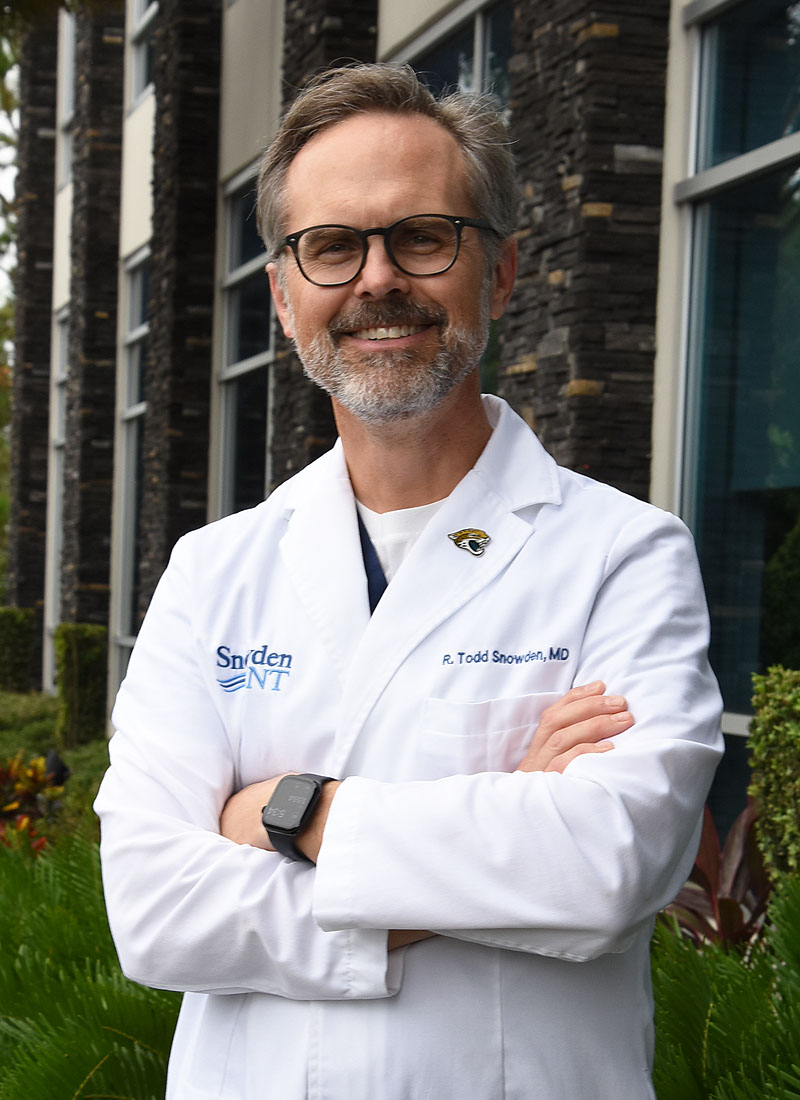
Meet Dr. Robert Todd Snowden
Choosing an ENT specialist is an important decision, particularly when surgery may be part of your treatment plan. Robert Todd Snowden, MD, FACS is a board-certified otolaryngologist who has been diagnosing and treating complex disorders of the ears, nose, and throat since 2001. With more than 20 years of experience caring for patients throughout Northeast Florida, Dr. Snowden is known for combining careful diagnostic evaluation with evidence-based treatment recommendations that are tailored to each patient’s individual needs. His commitment is to help every patient achieve the best possible outcome through compassionate, ethical, and patient-centered care.
As a Fellow of the American College of Surgeons (FACS) and the American Academy of Otolaryngology–Head and Neck Surgery, Dr. Snowden maintains the highest professional standards within his specialty. He is also an active member of the Florida Medical Association and the Duval County Medical Society and has previously held memberships in the American Rhinologic Society and the American Association of Otolaryngic Allergy. Throughout his career, he has remained committed to advancing his knowledge and providing patients with care that reflects current evidence and accepted best practices.
In addition to his clinical experience, Dr. Snowden has served in numerous leadership roles within the Jacksonville medical community. During more than 25 years on the Baptist Health medical staff, he served as Chief of Surgery and Chief of Staff at Baptist Medical Center South and was a member of the Baptist Physician Partners Board of Directors. Whether treating chronic nasal obstruction, performing advanced sinus and nasal surgery, or managing complex throat and voice disorders, Dr. Snowden has earned the trust of patients and referring physicians alike through his experience, sound clinical judgment, and dedication to delivering exceptional ENT care.
What Our Patients Are Saying




Contact Us!
(904) 268-5366
Or, if it is more convenient, use our contact form and we’ll get back to you as soon as possible.
Contact Us!
(904) 268-5366
Or, if it is more convenient, use our contact form and we’ll get back to you as soon as possible.

Snowden ENT is proud to be a select ENT Provider of the Baptist Physician Partners network. The mission of Baptist Physician Partners is to shape the future of health care in our community through an integrated partnership of providers and Baptist Health hospitals working collaboratively toward common goals for improving quality, safety, efficiency and outcomes for our patients.

12574 Flagler Center Boulevard
Suite 201
Jacksonville, FL 32258
(904) 268-5366
Monday – Thursday 8:30 AM to 4:30 PM
Friday 8:30 AM to 3:45 PM
Snowden ENT is proud to be a select ENT Provider of the Baptist Physician Partners network. The mission of Baptist Physician Partners is to shape the future of health care in our community through an integrated partnership of providers and Baptist Health hospitals working collaboratively toward common goals for improving quality, safety, efficiency and outcomes for our patients.
12574 Flagler Center Blvd
Suite 201
Jacksonville, FL 32258
(904) 268-5366
Monday – Thursday 8:30 AM to 4:30 PM
Friday 8:30 AM to 3:45 PM
Copyright | Snowden ENT | All Rights Reserved | Created and Optimized by BoomClient